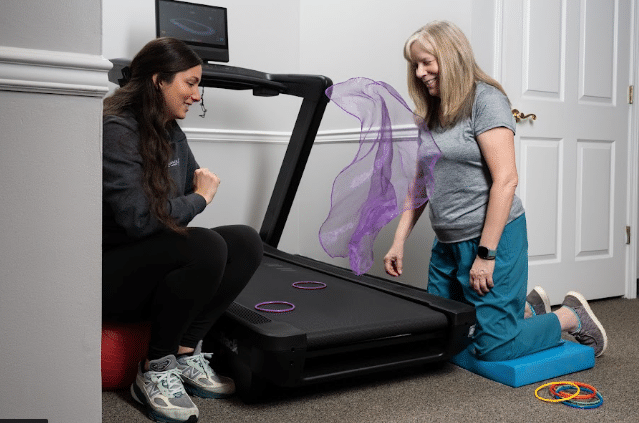
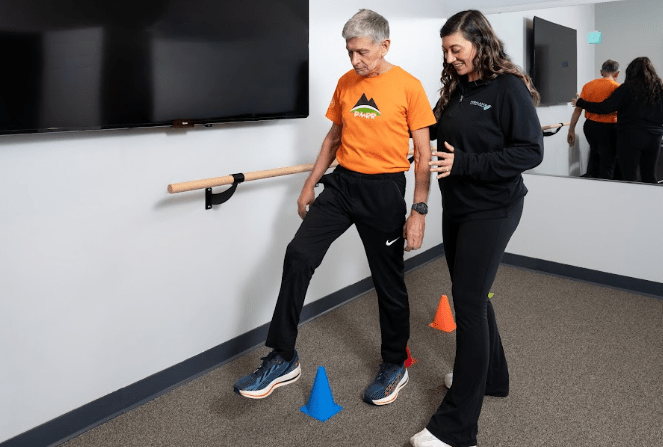
Pelvic floor physical therapy does not treat endometriosis itself, but it can treat much of the pain that comes with it. Years of pain teach the pelvic muscles to guard and the nervous system to stay on high alert. That layer of pain responds to hands-on treatment, alongside the care your gynecologist provides.
Here is the part that often gets missed. Endometriosis is usually discussed as a problem of lesions: find them, remove them, or quiet them with hormones. That care matters. But many women still hurt after surgery, or on a medication that is working on paper, because by then the muscles and nerves around the pelvis have a pain story of their own. It took years to build. It needs its own treatment.
Endometriosis affects an estimated 10% of women of reproductive age, around 190 million worldwide, according to the World Health Organization. The same fact sheet puts the average time to diagnosis at between 4 and 12 years, and lists physiotherapy, the international name for physical therapy, among the ways to manage the pain.
Why the pain spreads beyond the lesions
Chronic pain changes how the body protects itself. Muscles around a painful area tighten to guard it, and when that area is the pelvis, the pelvic floor can stay clenched for months or years. Tight muscles hurt in their own right, and they make bowel movements, bladder control and sex harder too.
The nervous system adapts as well. Given long enough, it starts to treat ordinary signals as threats and turns up the volume on pain. This is one reason pain can persist after the lesions have been treated, and why treatment aimed at muscles and nerves can help where medication alone has not.
Your pain may have a muscle and nerve component worth treating if you recognize any of these:
- Pain that lasts well beyond your period
- Pain during or after sex, especially with deeper penetration
- Pain with bowel movements, or a constant ache or pressure in the pelvis
- Pain that stayed, or came back, after surgery
What pelvic floor PT actually involves
Pelvic floor physical therapy is built around your symptoms, but for endometriosis it usually draws on three things.
- Hands-on treatment. Manual therapy such as myofascial release, trigger point release and visceral mobilization, a gentle technique that frees the tissue around the abdominal and pelvic organs. Internal work is only ever done with your consent.
- Teaching tight muscles to let go. Breathing techniques and stretches that down-train muscles stuck in a guarded state. For many women with endometriosis, the goal is relaxation rather than strengthening.
- Tools for daily life. Bowel and bladder habits that reduce strain, an exercise plan that does not set off flares, and practical strategies for pain during sex.
The research is still young, but it is encouraging. In a 2021 randomized trial, women with deep endometriosis and pain during sex who had five sessions of pelvic floor physical therapy reported less pain with intercourse and less chronic pelvic pain than women who had no therapy, and their pelvic floor muscles relaxed more effectively. It was a small trial of 34 women, but it matches what we see in the clinic.
Where it fits alongside your medical care
Pelvic floor PT works alongside your gynecologist, not instead of them. It can help at any stage: while you wait for a diagnosis, before or after surgery, or while you are on hormonal treatment. After excision surgery, it can also restore movement around scar tissue and ease you back into exercise and intimacy.
How soon you might feel a difference
Many patients start to notice a difference within the first few weeks of therapy. Bigger changes take longer, because the pain took years to build. Flares may still happen, but the aim is for them to come less often, hurt less, and feel manageable when they do.
Hina Sheth, founder of Rebalance PT, often tells patients: “Getting an endometriosis diagnosis and finding the right treatment can take years. Pelvic floor physical therapy can help you manage symptoms and improve quality of life at any point along the way. We can work together to address your symptoms and find strategies that help you feel more comfortable in your everyday life.”
Endometriosis pain is real, it is complicated, and it rarely has a single fix. Treating the lesions and treating the muscles and nerves are two halves of the same plan.
We see patients across Philadelphia and the Main Line, with clinics in Center City and Narberth. You can read more about our approach to physical therapy for endometriosis pain, or book a free 15-minute phone consultation. It is a no-pressure call to talk through where you are and what makes sense next.