In the pursuit of better health, strength, and mobility, recovery is often overlooked—but it’s just as important as movement itself. Holistic physical therapy for recovery plays a crucial role in helping the body repair, adapt, and build resilience, preventing injuries and optimizing performance. As we step into 2025, it’s time to shift our focus toward a well-rounded approach to health—one that values intentional recovery as much as effort.
Why Recovery Matters
Proper recovery isn’t just about feeling rested—it directly impacts physical, mental, and overall well-being. When built into daily life, effective recovery strategies can lead to:
Physical Benefits:
- Muscle repair and growth, leading to better strength and endurance.
- Reduced risk of injury from overuse or poor movement patterns.
- Increased stamina and energy levels, allowing for sustainable activity.
Mental and Emotional Benefits:
- Improved mood regulation and reduced stress levels.
- Enhanced cognitive function, including better focus and decision-making.
- Greater resilience against daily stressors, preventing burnout.
Overall Well-Being:
- A stronger immune system to help fight illness.
- Increased vitality and daily energy.
- A greater sense of control over personal health and wellness.
Effective Recovery Practices
Building intentional recovery habits doesn’t require drastic lifestyle changes—small, consistent efforts can make a lasting impact. Here are some key recovery strategies to support your body’s natural ability to heal:
1. Prioritize Quality Sleep
One of the most effective ways to promote holistic physical therapy for recovery is by ensuring adequate rest. A consistent bedtime and wake time help regulate circadian rhythms, leading to deeper, more restorative sleep.
2. Incorporate Relaxation Techniques
Deep breathing, mindfulness, and meditation help activate the body’s parasympathetic nervous system, reducing stress and promoting recovery. Try setting a timer for five minutes in child’s pose while focusing on slow belly breathing.
3. Move With Intention
Recovery doesn’t mean stopping movement altogether—it means moving wisely. To prevent injuries and promote healing:
- Use gradual progressive overload to build strength safely.
- Combine strength training with enjoyable activities to maintain consistency.
- Incorporate active recovery through low-intensity movement like walking or mobility work.
4. Take Breaks Throughout the Day
Frequent, short breaks prevent physical and mental fatigue. Whether it’s stepping away from the desk for five minutes or stretching after errands, small resets add up over time.
5. Support Recovery Through Nutrition
Fueling the body with whole, nutrient-dense foods aids in tissue repair, inflammation control, and sustained energy. Prioritizing:
- Whole foods, fruits, and vegetables.
- Lean proteins and fermented foods to support gut health.
- Limiting ultra-processed foods that may increase inflammation.
6. Engage in Meaningful Activities
Recovery isn’t just physical—it’s mental and emotional, too. Hobbies, creative outlets, and time in nature can significantly reduce stress and promote overall well-being. Even 10 minutes outdoors or engaging in a community activity can make a difference.
Take a Personalized Approach to Recovery
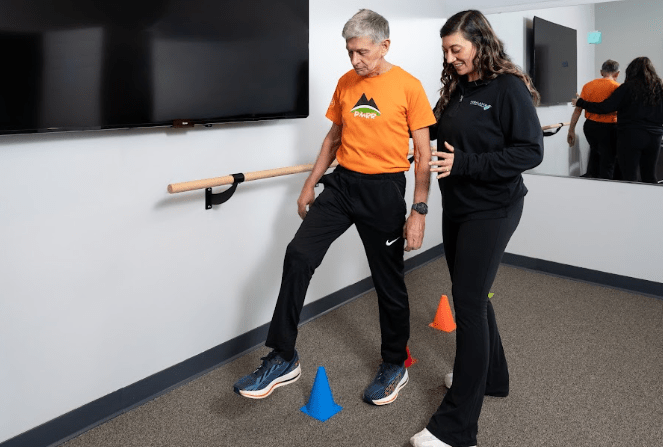
Not all recovery methods work the same for everyone. That’s why holistic physical therapy for recovery is essential—it ensures that movement, healing, and injury prevention strategies are tailored to your unique needs. One-on-one physical therapy allows for a personalized plan that supports long-term mobility, strength, and pain-free movement.
By prioritizing recovery, 2025 can be the year of sustainable progress, improved performance, and overall well-being. Take the time to restore your body—it will reward you in ways beyond just movement.