If you have been living with pelvic pain, leaking, pressure, or a body that has not felt right since pregnancy, you are not alone. Many people are told their symptoms are normal, that they will pass, or that nothing more can be done. That can leave you feeling unheard and unsure where to turn.
The truth is that many of these concerns have a musculoskeletal component, and specialized physical therapy can help. This guide walks you through how pelvic floor care, manual therapy, holistic wellness, and pre/postnatal support work together at Rebalance Physical Therapy and Wellness. You will learn what each approach involves, who it helps, and what to expect when you start.
What Does a Pelvic Floor Physical Therapist Actually Do?
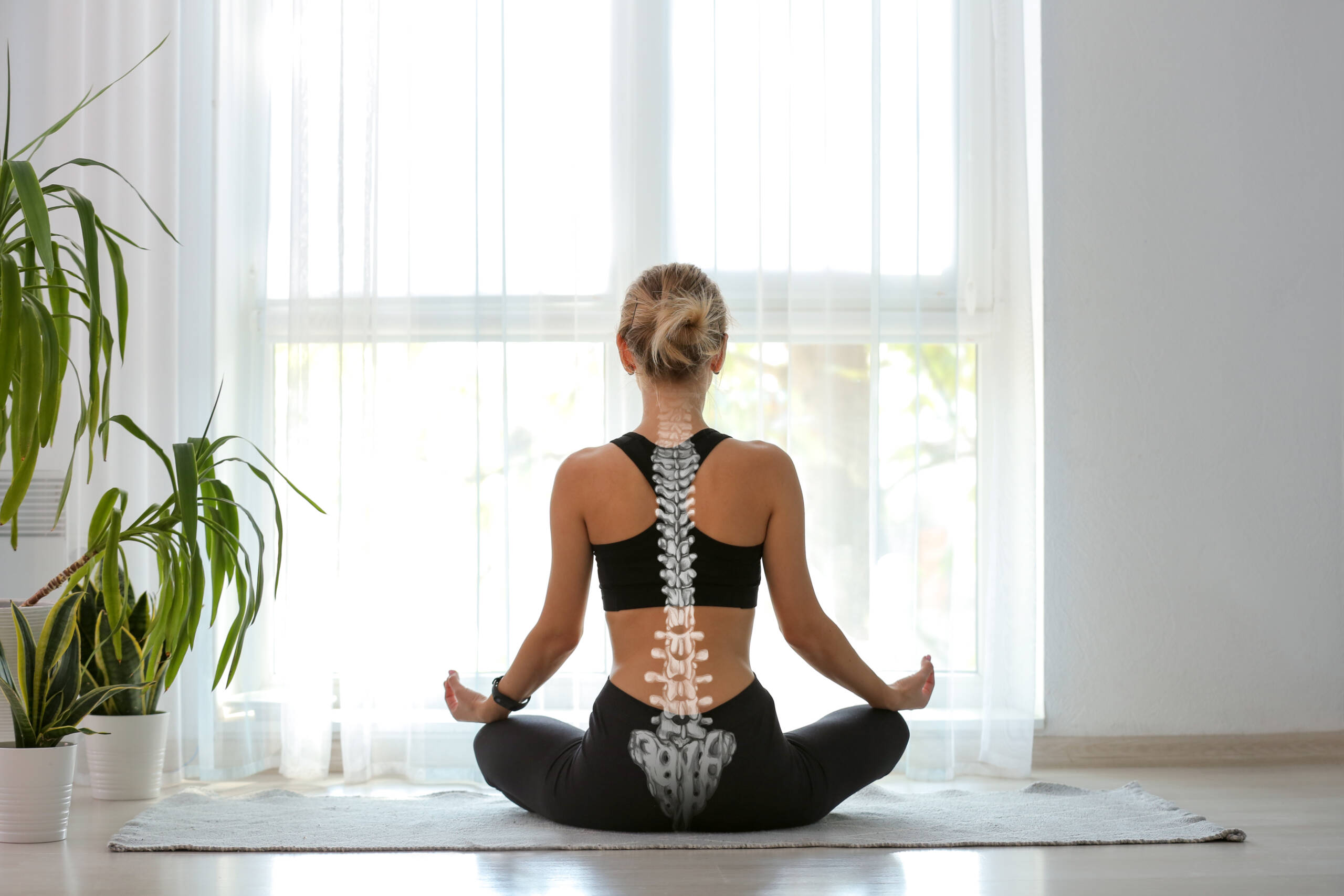
Your pelvic floor is a group of muscles and connective tissue at the base of your pelvis. These muscles support your bladder, bowel, and reproductive organs. They also work with your deep core, diaphragm, and hips to stabilize your spine and pelvis.
A pelvic health physical therapist evaluates how these muscles function, looking at strength, flexibility, coordination, and tension alongside your posture, breathing, and movement patterns. Many people assume the answer is always more Kegels, but that is not always true. Some pelvic floor muscles are too tight rather than too weak, and strengthening them can make symptoms worse.
Signs Your Pelvic Floor May Need Support
You do not need a formal diagnosis to ask for help. Common reasons people seek pelvic health physical therapy in Philadelphia include:
- Pelvic pain or a feeling of pressure and heaviness
- Leaking urine with coughing, sneezing, laughing, or exercise
- Painful intercourse
- A bulging or dragging sensation that may suggest prolapse
- Abdominal separation or a doming belly after pregnancy (diastasis recti)
- Low back, hip, or tailbone pain that has not improved with other care
These symptoms are common, but they are not something you simply have to accept. Research and clinical guidelines support pelvic floor muscle training and physical therapy as a first-line approach for many types of urinary incontinence, and pelvic floor therapy is widely used for pelvic pain conditions.
How Does Manual Therapy Help With Pelvic and Orthopedic Pain?
Manual therapy is a hands-on approach where your therapist uses skilled techniques to assess and treat muscles, joints, and connective tissue. It allows your therapist to feel what is happening in your tissues, such as restrictions, tender spots, or areas that are guarding, and match treatment to what your body needs that day.
The goals are to ease pain, improve mobility, reduce muscle tension, and make movement feel easier. Manual therapy is typically combined with exercise and education, because hands-on work is most effective when it supports lasting changes in how you move.
Manual Techniques You May Experience
Your treatment plan is individualized, and your comfort and consent guide every step. Depending on your needs, your therapist at Rebalance Physical Therapy and Wellness may use:
- Myofascial release: Sustained, gentle pressure to address tight fascia, the connective tissue that surrounds muscles and organs.
- Soft tissue mobilization: Hands-on work to improve the movement and flexibility of muscles and surrounding tissue.
- Trigger point therapy: Focused pressure on tender knots in muscle that can contribute to local or referred pain.
- Joint mobilization: Gentle movements that help stiff joints move more freely.
- Pelvic floor internal techniques: When appropriate and only with your informed consent, internal work allows direct assessment and treatment of pelvic floor muscle tension or weakness.
- Dry needling: Fine needles placed in tight muscle areas, which may help reduce muscle tension and pain.
- Laser therapy (LLLT): A light-based modality that may support tissue healing and comfort as part of a broader plan.
Manual therapy is not only for pelvic concerns. The same skills help with low back pain, hip pain, sciatica, neck pain, shoulder pain, and other orthopedic injuries. Because the pelvis connects your spine to your legs, pelvic and orthopedic symptoms often influence each other.
What Is Holistic Wellness and Functional Health in Physical Therapy?
Holistic physical therapy looks at you as a whole person rather than a single painful area. A tight hip, a sore back, and pelvic pain may all be connected through how you breathe, move, sit, sleep, and handle stress. The goal is to find the contributing factors, not just calm the symptom.
This functional approach starts with a thorough conversation and a detailed movement assessment. Your therapist will ask about your history, your daily routines, your goals, and what you have already tried. That context shapes a plan that fits your life in Philadelphia, whether you commute, work at a desk, care for young children, or train for a race.
Tools That Support Whole Body Healing
A holistic plan at Rebalance Physical Therapy and Wellness may blend hands-on care with active, skill-building strategies such as:
- Breathwork and diaphragmatic training: Your diaphragm and pelvic floor work as a pair. Coordinated breathing can reduce tension, support core function, and help calm an overactive nervous system.
- Therapeutic exercise: Targeted strengthening and mobility work that builds on your progress between visits.
- Neuromuscular re-education: Retraining your body to activate the right muscles at the right time.
- Yoga therapy and Pilates: Mindful movement that builds body awareness, posture, flexibility, and core control.
- Lifestyle and ergonomics guidance: Practical education to help you carry your progress into everyday life, including support for desk workers and those returning to work.
You are not a diagnosis, and your plan should not feel like a template.
How Can Prenatal Physical Therapy Support Your Pregnancy?
Pregnancy changes your center of gravity, posture, hormones, and the load on your pelvic floor and spine. It is common to experience low back pain, hip pain, pelvic girdle discomfort, or sciatica during pregnancy. Common does not mean you have to push through it.
Prenatal physical therapy helps you move comfortably and prepare for birth and recovery. Your therapist can assess your posture, pelvic alignment, and movement patterns, then guide you with strategies that fit each trimester.
What Prenatal Support May Include
- Manual therapy and gentle mobility work to ease tight or achy areas
- Exercises to support your back, hips, and core as your body changes
- Breathing strategies that coordinate your diaphragm, core, and pelvic floor
- Education on pelvic floor relaxation, which can matter as much as strength when preparing for birth
- Guidance on positions and movement for daily activities and exercise
Starting care during pregnancy also gives your therapist a baseline. If symptoms appear after delivery, they already know how your body moved before.
What Does Postpartum Recovery Really Involve?
The weeks and months after birth are a major healing period, whether you delivered vaginally or by cesarean. Many new parents are told to wait for a single checkup and then return to normal activity. In reality, your core, pelvic floor, and posture may still be adapting long after that visit.
Postpartum physical therapy meets you where you are. It addresses what you feel in your body now and builds a safe path toward the activities you love.
Common Postpartum Concerns Treated at Rebalance Physical Therapy and Wellness
- Diastasis recti: Separation of the abdominal muscles that can leave your core feeling weak or unstable. Therapy focuses on breathing, pressure management, and progressive core retraining.
- Pelvic pain and painful intercourse: Muscle tension, scar tissue, or sensitivity after delivery can contribute. Manual therapy and pelvic floor techniques can help address these factors.
- Incontinence: Leaking after pregnancy is common, and pelvic floor therapy is a recognized way to address it.
- Prolapse symptoms: Pressure or heaviness may respond to pelvic floor training, pressure strategies, and activity modifications.
- Back, hip, and wrist pain: Lifting, feeding, and carrying a baby create new demands on your body.
Your plan can progress toward strength building, return to running, or return to sport when your body is ready. Recovery is not a race, and you deserve care that respects your pace.
Can Physical Therapy Help With Endometriosis Pain and Menopause?
Physical therapy can be a valuable part of support for both, though it does not replace medical care. For endometriosis pain support, physical therapy does not treat the disease itself. It can address the muscle tension, pelvic floor guarding, and movement restrictions that often develop alongside chronic pain, offering relief from discomfort that spreads into the hips, low back, or pelvis.
Your therapist can also coordinate with your other healthcare providers so your care feels connected and cohesive.
Support Through Menopause
Hormonal shifts during menopause can affect tissue health and pelvic floor function. Some people notice urinary urgency, leaking, discomfort with intimacy, or changes in strength and balance. Physical therapy can help with pelvic floor muscle function, mobility, strength, and balance, supporting healthy aging and confidence in your body.
Is Pelvic Floor Therapy Only for Women?
No. Men and people of all genders have a pelvic floor, and it can become painful, tight, or weak too. Pelvic pain, urinary symptoms, and pain with sitting can all involve the pelvic floor. Rebalance Physical Therapy and Wellness provides specialized pelvic health physical therapy for all genders in a respectful and private setting.
What Should You Expect at Your First Visit?
Starting something new can feel vulnerable, especially when symptoms are personal. Knowing what to expect helps.
- A conversation first: Your therapist listens to your story, symptoms, and goals before any hands-on work begins.
- A whole body assessment: This may include posture, breathing, joint mobility, strength, and a functional movement assessment.
- Choice at every step: Any pelvic floor examination or internal technique is explained in advance and happens only with your consent. You can pause or stop at any time.
- A clear plan: You leave with an understanding of what is contributing to your symptoms and a home program that supports your progress.
If you are not sure physical therapy is right for you, you can start with a 15-minute phone consultation to match you with the right therapist and answer your first questions.
Why Choose Rebalance Physical Therapy and Wellness in Philadelphia?
You deserve a provider who listens, explains, and treats the whole picture. Rebalance Physical Therapy and Wellness offers specialized expertise in pelvic health, a wide range of hands-on and movement-based services, and a holistic approach that weaves lifestyle guidance and functional health strategies alongside physical therapy. You can learn more about the clinic’s philosophy and team on the About page.
Rebalance Physical Therapy and Wellness also makes care easier to reach:
- Two locations in Center City Philadelphia and Narberth on the Main Line
- Telehealth video programs for local and out-of-town patients
- Educational articles on pelvic health, orthopedics, and wellness on the blog
Ready to Feel Supported in Your Body Again?
Your symptoms are real, and you do not have to navigate them alone. Whether you are preparing for birth, healing after delivery, managing pelvic pain, or looking for answers that have felt out of reach, the right care can help you move, work, and live with more comfort and confidence.
Book a 15-minute phone consultation with Rebalance Physical Therapy and Wellness today. We will listen to your story, answer your questions, and match you with the therapist best suited to support your recovery in Philadelphia or on the Main Line.