If you have ever felt that nagging tightness between your shoulder blades, a deep ache in your glutes after a long day of sitting, or restricted movement that just will not let go no matter how much you stretch, you are not alone. One of the most common questions we hear at Rebalance Physical Therapy and Wellness is, what can I do at home to keep my body feeling better between visits? The good news is, you can do quite a lot. Self myofascial release is one of the most effective tools you have for managing your own tissue health, easing tension, and supporting the work we do together in the clinic.
This guide walks you through the techniques and tools that work best, how to do them safely, and just as importantly, when to put the foam roller down and call your physical therapist instead.
What Is Self-Myofascial Release?
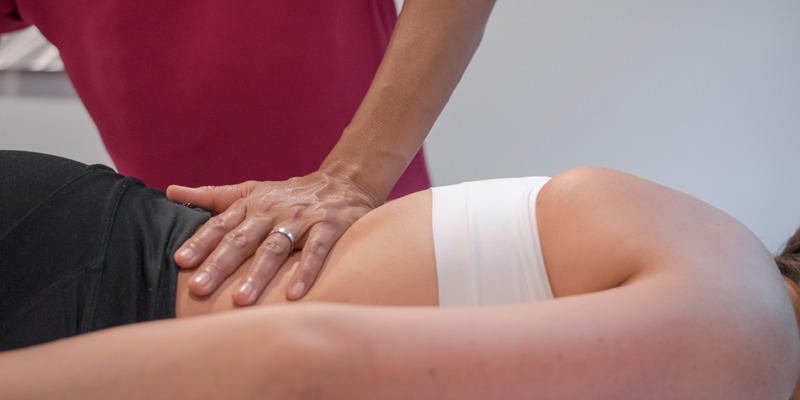
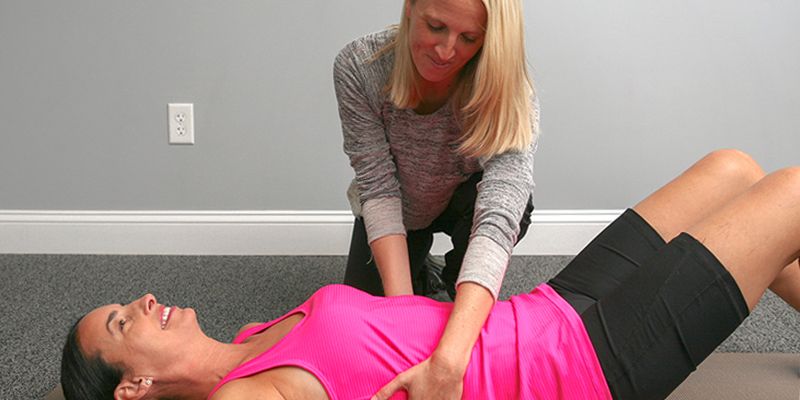
Self myofascial release, often shortened to SMR, is the practice of applying sustained pressure to your own fascia and muscle tissue to ease restrictions, increase blood flow, and restore mobility. It is the at-home cousin of the manual Myofascial Release Therapy we provide in our clinics, using simple tools and your own body weight instead of a therapist’s hands.
When done correctly, self myofascial release can reduce muscle soreness, improve range of motion, calm down an overactive nervous system, and help you feel more in control of your body day to day.
Tools You Can Use at Home
You do not need a fancy setup to get started with fascia release exercises. Most of our patients use one or two of the following:
- Foam roller. The classic. Best for large areas like the quads, glutes, lats, and upper back. A medium-density roller is ideal for most people. Beginners may want to start with a softer roller and work up.
- Lacrosse ball or tennis ball. Perfect for targeting smaller, more specific areas like the upper traps, between the shoulder blades, glutes, and plantar fascia. The lacrosse ball gives firmer pressure, the tennis ball is gentler.
- Therapy ball or peanut. A double ball or peanut-shaped tool is great for working alongside the spine without pressing directly on the bone.
- Massage stick or roller stick. Useful for the front of the thighs, calves, and forearms when you want more control over the pressure.
- Frozen water bottle. A simple option for plantar fascia release if you are dealing with foot pain. The cold also helps reduce inflammation.
Foam Rolling 101: How to Do It Correctly
Foam rolling looks simple, but it is often done in a way that limits its benefit or worse, causes irritation. A few core principles make all the difference:
- Go slow. Fast, frantic rolling does not give the fascia time to respond. Move at a pace of about one inch per second. When you find a tender area, pause and hold the pressure for 60 to 90 seconds.
- Breathe deeply. Slow nasal breathing tells your nervous system that it is safe to release. Holding your breath does the opposite. Inhale for four counts, exhale for six.
- Pressure should feel productive, not punishing. Discomfort is normal, but sharp pain is not. If you cannot breathe through it or stay relaxed, ease off.
- Stay off bones and joints. Roll the soft tissue, not the spine, knees, or front of the shins. Always work above or below the joint, never directly on it.
- Less is more. Two to five minutes per area is plenty. Doing more does not speed up the result and can actually irritate the tissue.
Fascia Release Exercises by Body Area
Here are some of the safest and most effective self myofascial release techniques you can try at home, organized by area:
Upper Back and Between the Shoulder Blades
Place a lacrosse ball or therapy ball against a wall and lean into it. Move slowly along the muscles beside your spine, never directly on the spine itself. This is a wonderful release for desk workers and anyone with a forward head posture.
Glutes and Piriformis
Sit on a lacrosse ball or therapy ball, crossing one ankle over the opposite knee to deepen the stretch. Move slowly until you find a tender spot, then hold and breathe. Great for low back tightness, sciatic-type symptoms, and hip stiffness.
Quads and IT Area
Lie face down with a foam roller under your thighs. Roll slowly from above the knee to just below the hip. Avoid rolling directly on the side of the leg where the IT band is most superficial. If that area feels tight, work the surrounding hip and thigh muscles instead.
Calves
Sit on the floor with the foam roller under one calf. Cross the opposite leg over for added pressure if needed. Roll slowly from the ankle to just below the knee. This is especially useful for runners and anyone on their feet all day.
Plantar Fascia
Roll a lacrosse ball or frozen water bottle under the arch of your foot while seated. A few minutes per foot in the morning or evening can make a noticeable difference for plantar fasciitis or general foot fatigue.
Common Mistakes to Avoid
- Rolling too fast or for too long, which can irritate the tissue.
- Holding your breath while working through a tight spot.
- Pressing through sharp, nerve-like pain rather than easing off.
- Rolling directly on the lower back, which is unsupported and can cause more harm than good.
- Expecting one session to undo years of restriction. Consistency matters far more than intensity.
When Self Myofascial Release Is Not Enough
Self care has real limits. There are some restrictions you simply cannot reach on your own, and others where pressing on the wrong area can make things worse. If any of the following sound familiar, it is time to see a Physical Therapist Philadelphia team member rather than reaching for the foam roller again:
- Chronic pain that has lasted more than a few weeks and is not improving with self care.
- Post surgical scar tissue or adhesions, including C-section, abdominal, or orthopedic surgical scars.
- Pelvic pain, painful intercourse, or pelvic floor restrictions. These are not safe to self treat with pressure tools.
- Sharp, shooting, or nerve-like pain. This may indicate a different issue that needs proper assessment.
- Restricted range of motion that is not changing despite consistent at-home work.
Fascia is a connected, three-dimensional system. A tightness you feel in one area often originates somewhere else entirely. A trained therapist can find and treat the source, not just the symptom.
How Self Release Fits With Professional Treatment
The patients who see the best results combine the two. Professional myofascial release work in the clinic addresses the deep, often hidden restrictions that you cannot reach on your own. Your home program, including foam rolling, fascia release exercises, breath work, and specific stretches, then helps your body hold the gains between visits. This is exactly why we send every patient home with a personalized self care routine alongside their treatment plan.
Want a Personalized Self-Release Plan?
If you are unsure which techniques are right for your body, or you have tried self myofascial release without seeing the change you were hoping for, we can help. Our team will assess your specific restrictions, give you a tailored home routine, and combine it with hands on care to get you moving freely again. We see patients at our Center City Philadelphia and Main Line Narberth clinics, and a complimentary 15 minute phone consultation is the easiest place to start.
Book your free consultation today and let us build a plan that works for you.