Low back pain is a common issue many new moms face postpartum. The strain of lifting and carrying a baby, combined with weakened core muscles from pregnancy, can lead to discomfort and even injury if not managed carefully. The good news? By learning proper lifting techniques, you can reduce stress on your lower back, keeping yourself comfortable and safe.
In this guide, we’ll explore three effective and safe positions for lifting your baby that can help alleviate postpartum low back pain and prevent it from becoming a chronic issue. Each position focuses on engaging your core, using your legs, and protecting your spine.
Understanding Postpartum Low Back Pain
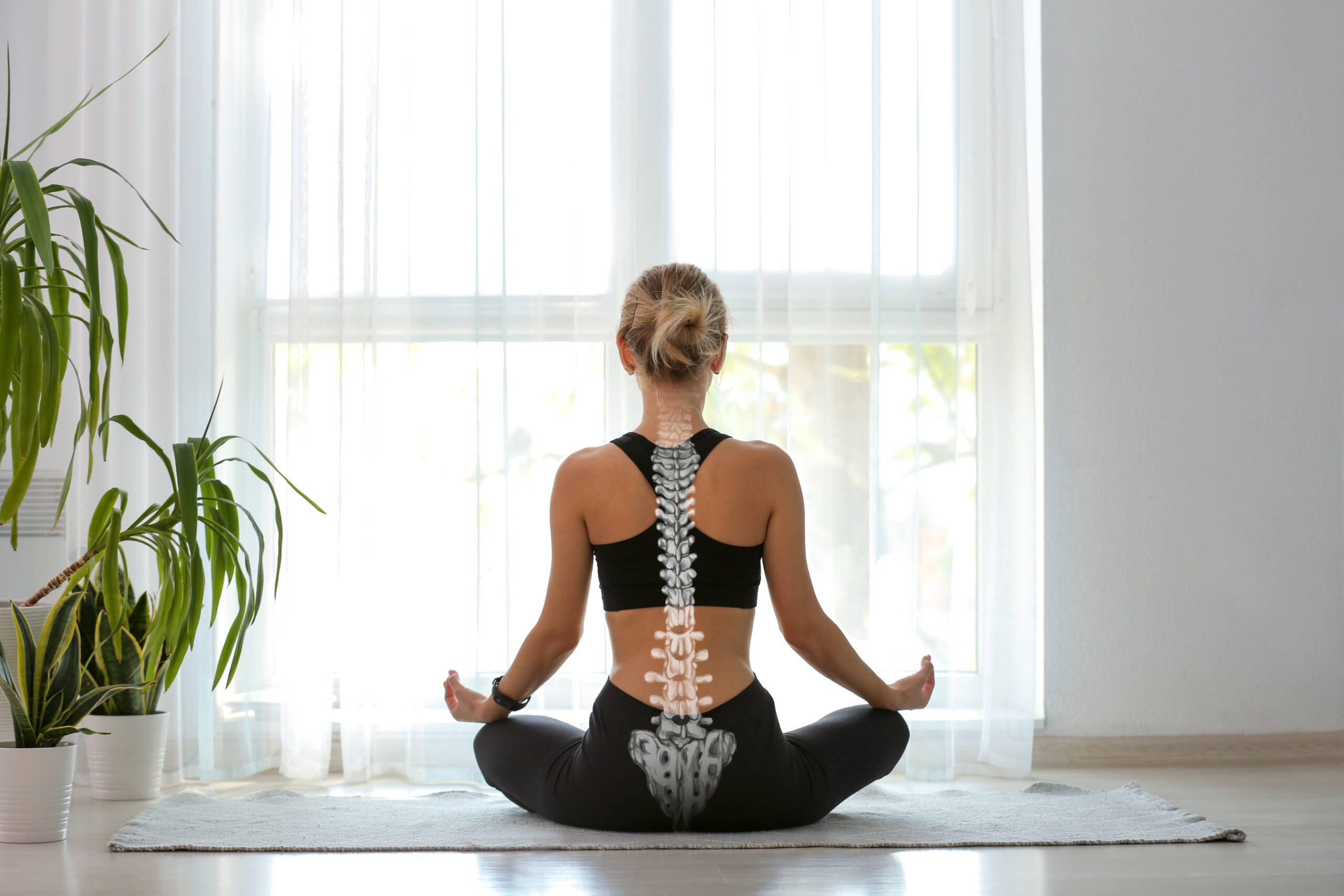
Postpartum low back pain is usually the result of weakened abdominal muscles and ligaments after pregnancy, as well as the additional physical demands of caring for a newborn. The repetitive motion of bending, lifting, and carrying, especially if done incorrectly, puts a lot of strain on your spine and lower back muscles.
Common Causes of Postpartum Low Back Pain
- Weak Core Muscles: During pregnancy, the abdominal muscles stretch, and the core becomes less supportive. Without core support, your back has to work harder.
- Improper Lifting Techniques: Bending from the spine instead of the hips is a major contributor to back pain.
- Frequent Bending: Bending and twisting while holding a baby can cause muscular imbalances and strain.
- Sleep Deprivation and Poor Posture: Physical exhaustion and slumping while feeding can exacerbate pain.
Pro tip: Consulting with a physical therapist specializing in postpartum recovery can be beneficial if your low back pain persists.
1. Lifting Your Baby from a Standing Position
When lifting your baby from a standing position, it’s essential to avoid rounding your spine and straining your back muscles. Many moms bend over with their feet close together, putting the load on their lower back. Here’s how to modify your stance for a safer lift.
Safe Technique for Standing Position Lifting
- Spread Your Feet: Start with your feet hip-width apart. This wider stance gives you stability.
- Stick Your Hips Back: As you bend, shift your hips backward as though you’re about to sit in a chair. This helps engage your glutes and hamstrings.
- Keep Your Back Straight: By maintaining a neutral spine, you prevent unnecessary stress on your back.
- Lift with Your Legs: As you pick up your baby, focus on straightening your legs rather than lifting with your back.
Tip: Imagine you’re doing a squat! This movement activates the large muscles in your legs and glutes, which are much better equipped to handle weight than your back.
Benefits of This Technique
This standing technique not only prevents postpartum low back pain but also strengthens your lower body. With time, this position can help improve flexibility and stability, both essential for managing a baby safely.
2. Lifting Your Baby from a Kneeling Position
As your flexibility improves, try lifting your baby from a kneeling position. Kneeling distributes your weight more evenly and keeps your center of gravity low, which is helpful for safely lifting your baby from the floor.
Safe Technique for Kneeling Position Lifting
- Get Into a Squat Position: Begin by bringing both feet flat or stay on the balls of your feet as you squat down.
- Bring Your Baby Close: Keeping your baby close to your body minimizes the load on your spine and helps you keep your balance.
- Press Feet Away from Each Other: Before lifting, press your feet away from each other for added stability. Then stand up using your legs.
Tip: Focus on keeping your weight centered over your legs as you lift. Avoid leaning forward, as this can strain your back.
Benefits of the Kneeling Technique
This technique helps develop hip flexibility and strength, both essential for preventing postpartum low back pain. Plus, the squat motion strengthens your legs, which will serve you well for daily baby-carrying activities.
3. Lifting Your Baby from a Half-Kneeling Position
The half-kneeling position is another safe way to pick up your baby, especially if you’re dealing with back stiffness. This position encourages good alignment and minimizes strain on your lower back.
Safe Technique for Half-Kneeling Position Lifting
- Position Your Knee Correctly: Ensure that the knee of your supporting leg is directly over your ankle, with the opposite foot forward.
- Square Your Hips: Keeping your hips square helps you maintain stability.
- Press Through Your Feet: As you lift your baby, press your feet away from each other to engage your hip stabilizers. Stand up in a smooth, controlled motion.
Tip: Avoid twisting or bending as you stand. Move slowly to maintain balance and prevent strain.
Benefits of the Half-Kneeling Technique
This technique offers great support and stability, as it distributes your weight evenly and engages your core. It’s also a useful position for practicing core stability, which is crucial in managing postpartum low back pain.
Additional Tips for Relieving Postpartum Low Back Pain
While practicing these lifting techniques, there are additional strategies you can use to relieve and prevent postpartum low back pain.
1. Strengthen Your Core and Pelvic Floor
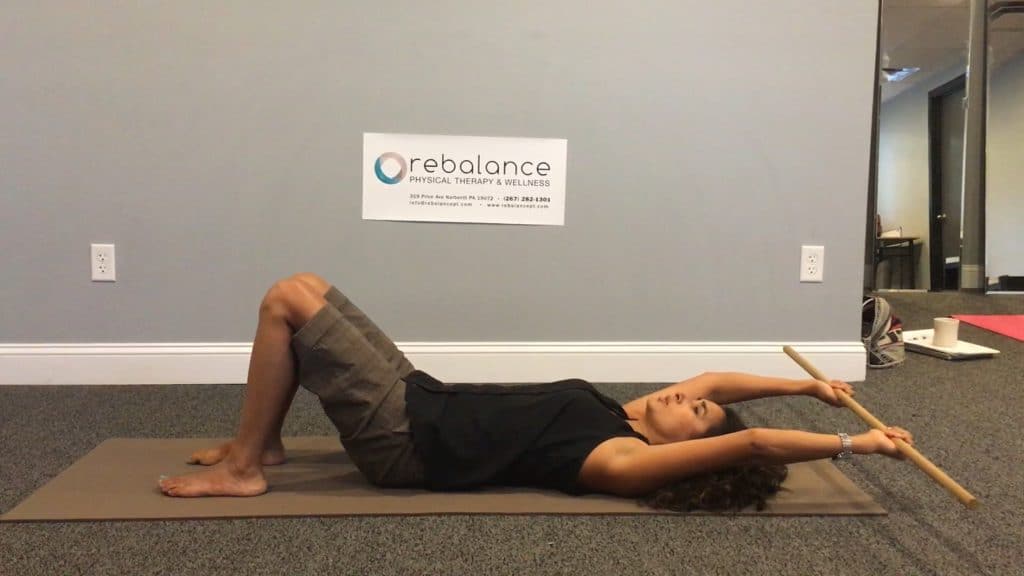
Consider postpartum exercises that target the core and pelvic floor. These muscles play a vital role in supporting your spine and reducing strain on your lower back.
2. Prioritize Good Posture
When feeding or holding your baby, sit up straight with your shoulders relaxed. Avoid leaning forward, as this can place extra strain on your spine.
3. Use Supportive Gear
Using a baby carrier can distribute your baby’s weight evenly, reducing strain on your back.
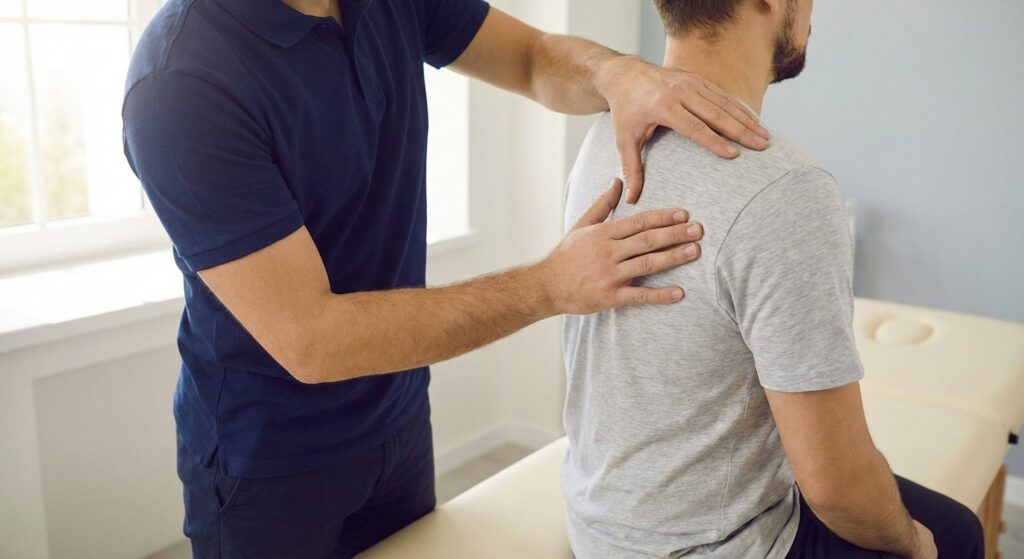
4. Consult a Physical Therapist
A physical therapist specializing in postpartum care can assess your back pain and offer tailored exercises to improve your strength and flexibility.
When to Seek Professional Help for Postpartum Low Back Pain
If your postpartum low back pain is persistent or interferes with daily activities, don’t hesitate to seek professional help. Chronic back pain can lead to other issues if left untreated.
Many physical therapists offer complimentary consultations to discuss symptoms and develop an individualized plan. They can help you regain strength, improve flexibility, and reduce pain, allowing you to fully enjoy your time with your baby.
Safe Lifting Techniques: The Key to Preventing Postpartum Low Back Pain
Learning safe lifting techniques is essential for every new mom. By using the positions we’ve covered—standing, kneeling, and half-kneeling—you’ll not only prevent postpartum low back pain but also build strength and stability in your body.
If you’re struggling with postpartum low back pain, physical therapy can be a valuable resource for finding relief and improving your physical health. Start with these lifting techniques, and reach out to a specialist if you need more support.
For more tips on postpartum recovery, check out our additional guides on postpartum core strengthening exercises and posture tips for new moms.