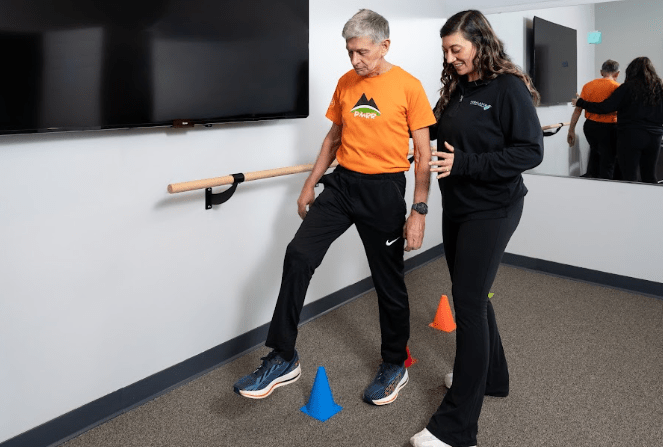
Finding a great physical therapist can be the difference between “just getting by” and actually feeling like you’ve got your life back. In a city like Philadelphia, there are plenty of clinics—but not all care is equal. A truly great PT won’t just hand you a sheet of generic exercises; they’ll help you understand your body and guide you through a plan that actually makes sense.
Below are clear, practical signs that you’ve found a high-quality physical therapist, with real-world examples from clinics and strong backing from peer-reviewed research and clinical guidelines.
1. They Begin With a Thorough, Whole-Body Evaluation
Your first visit should feel like a deep dive, not a quick “Where does it hurt?” and out the door. According to the patient-client management model recommended by the American Physical Therapy Association (APTA), a proper evaluation includes a detailed patient history, a systems review, physical examination, diagnosis, and a clear plan of care. A great therapist looks at how you move, breathe, sit, stand, walk — not just the one painful spot.
2. You Get One-on-One Care — Not a Busy Gym Floor
A big sign you’ve found a great therapist is that your sessions are truly one-on-one and hands-on. In high-volume clinics, therapists often rush between patients or delegate parts of their session to assistants. That risks generic programming and less individualised attention.
Research supports personalised, supervised exercise therapy for chronic musculoskeletal pain as more effective than unsupervised or generalised treatment. When your PT is present, observing your movement, adjusting technique, and guiding manual therapy, you get better value from each session.
3. Great Physical Therapists Treat the Root Cause
Chronic pain is rarely as simple as “weak muscle” or “tight joint.” A great therapist examines underlying factors, including posture, movement patterns, scar tissue, nerve sensitivity, and even lifestyle factors like stress and work-related posture. Many complex issues (pelvic pain, SI-joint pain, postpartum recovery, chronic back issues) arise from multiple contributing sources.
Modern research increasingly supports a biopsychosocial approach to persistent pain, recognising that biomechanics, nervous system sensitivity, and psychosocial factors all play a role in long-term recovery. If your therapist asks about your work posture, bladder or pelvic symptoms, history of injuries, stress or sleep — even if your main complaint seems limited — that indicates they aim to address root causes rather than just temporary relief.
4. They Have Specialty Training and Relevant Expertise
Not all physical therapists are the same. Some focus on general physical therapy but a hightlyo skilled therapist may specialize in both orthopedics/sports but also build advanced skills in areas like pelvic floor, pregnancy/postpartum, chronic pain, or spine health. A high-quality PT welcomes complex or sensitive concerns: pelvic floor pain, postpartum recovery, scar tissue release, incontinence, or nerve-related pain.
Research suggests that tailored, condition-specific rehabilitation (rather than one-size-fits-all) improves outcomes, especially when combining manual therapy, exercise, and education. If your therapist has experience or training in less common conditions, for example, chronic pelvic pain, prolapse, or postpartum issues. That is a major sign you may be working with a great physical therapist.
5. They Explain Your Condition and Plan in Plain, Understandable Terms
One of the clearest signs you’re in good hands: you walk out of evaluation knowing what’s wrong, why it’s happening, and what the plan is. Therapists who take time to explain anatomy, how your body moves (or mis-moves), and what to expect from rehab help you feel empowered and engaged in the process.
Patient education when combined with active therapy, is supported by clinical research as improving pain and function in musculoskeletal conditions. If your therapist communicates in regular language (not jargon), helps you understand what each exercise or manual technique does, and sets clear goals, then that’s a good sign.
6. They Combine Hands-On Treatment With Smart, Progressive Exercise
The best physical therapy merges manual therapy (mobilizations, soft-tissue work, manual release) with exercise, movement retraining, posture work, stabilisation, and gradual load progression. Systematic reviews support that combining manual therapy with exercise often produces better short-term relief and improved function compared with exercise alone.
Rebalance’s model reflects this blend: myofascial release, joint mobilization, fascia and scar work, dry needling, integrated with functional training, posture correction, core stability, and movement retraining. If your therapist instead only gives you a generic exercise sheet, or only “works on you” without active rehab, you might not get the full benefit.
7. They Build a Genuine Therapeutic Alliance: You Feel Heard, Respected, and Safe
How you feel with your therapist isn’t a “nice extra”, it’s linked to actual outcomes. Numerous studies show that a strong therapeutic alliance (trust, empathy, mutual goals) correlates with better pain relief, functional improvement, adherence, and satisfaction in physical rehab.
This matters especially when dealing with sensitive or intimate conditions: pelvic pain, incontinence, childbirth-related injury, or chronic pain. If your PT listens carefully, allows you to share discomfort, understands your history, and builds trust – you’re more likely to stick with the program, to report honestly, and to recover fully.
8. A Great Physical Therapist Doesn’t Shy Away From Complex or Sensitive Conditions
Many clinics limit themselves to straightforward orthopedic or sports rehab. A top-tier PT clinic feels confident handling complex, often misunderstood conditions: chronic pelvic pain, incontinence, pelvic floor dysfunction, postpartum recovery (scar tissue, prolapse, diastasis), nerve-related pelvic/hip issues, or pelvic-spine interplay.
If your therapist welcomes these topics, is comfortable discussing them, and has a clear, empathetic plan for care, those are valuable signs. That type of inclusive, specialised care reflects a high level of training, experience, and patient-centred philosophy.
9. You See Real-World Trust: Reviews, Referrals, and Community Respect
Beyond clinical credentials and treatment methods, real-world reputation matters. Great PT clinics earn trust from other healthcare providers (OB/GYNs, urologists, physicians) and from past patients who refer friends and family. Repeated positive reviews, referrals from medical professionals, and long-term follow-ups are often signs that the clinic delivers consistent, meaningful results—especially when you see stories of people overcoming chronic pain, improving pelvic health, or recovering well after birth.
To check that authenticity and transparency, you can:
- Read Google Reviews: Search the clinic name (e.g. “Rebalance Physical Therapy Philadelphia”) on Google Maps and look for detailed, story-based feedback, not just star ratings.
- Check health-professional directories: Look at listings on reputable platforms (e.g. hospital or health-system directories, APTA’s “Find a PT” tool) to see how the clinic and its therapists are presented.
- Review the clinic’s own testimonials page or videos: Follow links from their website’s reviews/testimonials section to read or watch real patient stories and check that they sound specific and believable, not generic.
When It’s Worth Considering a Change
If your current PT doesn’t check many of the boxes above — if you’re not getting a clear plan, not being listened to, not getting hands-on plus exercise care, or your therapist avoids deeper or sensitive issues — it may be worth exploring other options. For persistent or complex issues (pelvic pain, spine/hip-related pain, postpartum recovery), a holistic, experienced, one-on-one clinic can make a big difference.
Red Flag Check List
| Question to Ask Yourself | Red Flag |
|---|---|
| Do I feel rushed, dismissed, or not truly listened to? | Poor therapeutic alliance; low-quality patient care. |
| Has my therapist ever explained a clear diagnosis or plan? | Lack of guidance or transparency in treatment. |
| Am I mostly given generic exercises with little one-on-one time or hands-on therapy? | Treatment is not personalised or evidence-based. |
| Has my program stayed the same for weeks with no adjustments? | No ongoing assessment or progression. |
| Does my PT avoid or downplay sensitive issues (pelvic pain, leakage, postpartum concerns)? | Limited expertise or discomfort with complex conditions. |
| Have I made minimal progress with no meaningful changes to the approach? | Ineffective or stagnant treatment plan. |
| Do I feel uncomfortable asking questions or advocating for myself? | Unsafe or unsupportive clinical environment. |
Conclusion
A truly great physical therapist does more than hand you generic exercises. They look at your whole body, your history, your pain patterns, and your goals. They combine evidence-based manual therapy with progressive exercise, explain things in plain language, and build a relationship where you feel heard, safe, and involved in every decision. They do not shy away from complex or sensitive issues, and they keep refining your plan until it matches what your body actually needs.
Here at Rebalance Physical Therapy, we specialise in complex pelvic pain, postpartum recovery, stubborn spine problems, and postpartum recovery in Philadelphia, using one-to-one holistic care for our patients. If you are ready to tackle body pain and carry life confidently, book your consultation with some of the best physical therapists in Philadelphia today!