“Pelvic floor symptoms can show up as problems that seem totally unrelated to the pelvis.” – Dr Hina Sheth
Have you experienced pelvic pain or discomfort that you can’t quite explain, or noticed symptoms down there that seem unrelated to each other? This can be a sign of a deeper, often overlooked issue called pelvic floor dysfunction. In this post, based on the video, we will walk you through nine warning signs to watch for and explain why they can be connected, starting with one you might not expect, low back pain. If you are in Philadelphia and want clarity on what your body is telling you, these signs can help you decide whether it is time to seek professional support.
What pelvic floor dysfunction means
Your pelvic floor is a group of 14 muscles located deep inside the pelvis. These muscles attach around key bony landmarks and coordinate with the abdomen, hips, and low back to support posture, bladder and bowel function, and pelvic stability. Pelvic floor dysfunction is not just weakness. It can involve muscles that are too tight, too weak, or not coordinating well with breathing and movement. When that system is imbalanced, it can show up as symptoms like back pain, constipation, urinary changes, hip discomfort, or pressure in the pelvis.
The 9 warning signs (checklist)
Use this checklist as a quick self-screen. The more boxes you tick, the more you are associated with pelvic floor dysfunction. This checklist is not a diagnosis; reach out to a professional for an accurate assessment.
☐ Low back pain
☐ Constipation or difficulty with bowel movements, including incomplete emptying
☐ Bladder issues, leaking, urgency, UTI-like symptoms, or retention
☐ Hip pain
☐ Pain with sex, pelvic exams, or tampon use
☐ Erectile dysfunction or genital or rectal pain in men
☐ Tailbone pain, often worse with sitting
☐ Unexplained lower abdominal pain
☐ Pelvic pain or pressure
The 9 signs explained
These symptoms can feel unrelated. Many share the same pressure and coordination system, meaning how your pelvic floor works with breathing, core control, and surrounding muscles. The sections below explain what the video highlights and why each sign can matter.
Low back pain
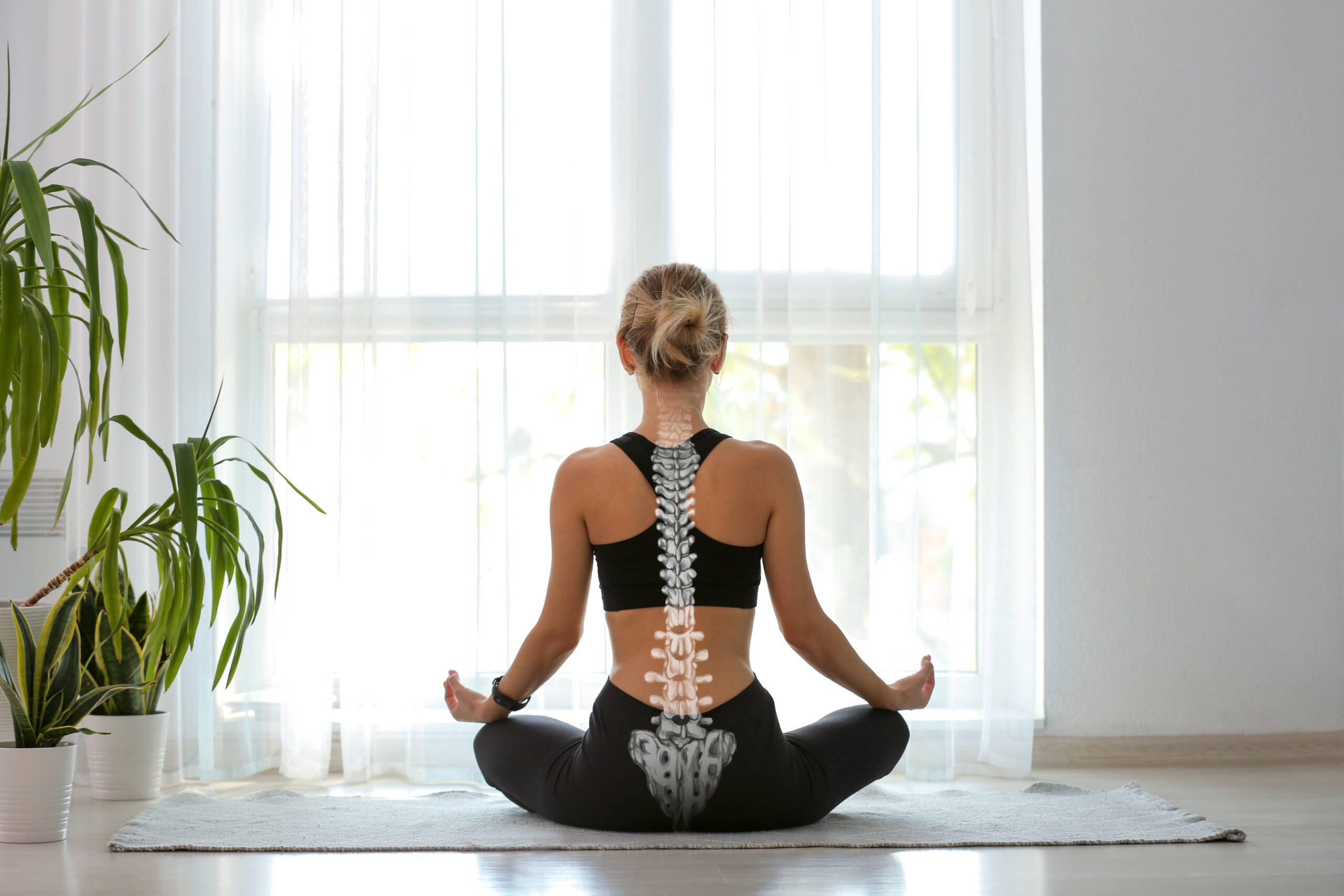
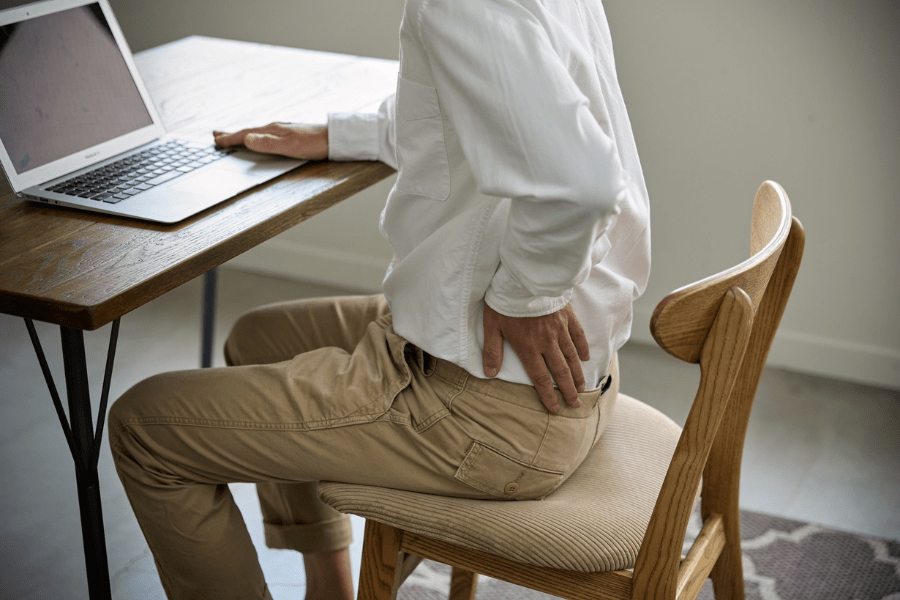
Yes, pelvic floor issues can contribute to low back pain. In the video, Dr. Hina Sheth explains that the pelvic floor has attachments and coordination relationships with the low back and abdominal muscles. If the pelvic floor is tight, weak, or uneven side to side, it can influence how your pelvis tilts and how your posture loads the spine. Over time, those imbalances may contribute to extra compression or strain in the joints and muscles of the low back.
Constipation
Constipation is not always just about food or hydration. Your pelvic floor plays a direct role in having a bowel movement because the muscles form a supportive sling around the pelvic organs and sit in close relationship to the rectum. Hina notes that if these muscles are restricted or too tight, they can interfere with your ability to let go and pass stool comfortably. This can lead to straining, incomplete emptying, or ongoing bowel difficulty.
Bladder issues
Bladder problems can be a major clue, and they do not all look the same. Hina describes a spectrum that ranges from leaking to feeling like you have a UTI all the time, and even urinary retention. One reason is anatomical. The bladder sits behind the pubic bone, and the urethra passes through the pelvic floor muscles. If the muscles are too tight or too weak, control and coordination can be disrupted, leading to multiple types of urinary symptoms. Sometimes it feels like you have to go all the time, but only a little comes out.
Hip pain
Hip pain is common, but few people think of the pelvic floor as a contributor. The pelvic floor includes multiple muscles, and at least two have direct connections that influence the hip region. When the pelvic floor is dysfunctional, tight, weak, or poorly coordinated, it can affect how the hip moves and how the pelvis and lower back coordinate with surrounding muscles. That altered movement pattern can contribute to discomfort, stiffness, or recurring hip pain that does not fully resolve.
Pain with sex, pelvic exams, or tampon use
Pain with sex is a sensitive topic, but it is also a common warning sign. Pelvic floor muscles connect the bottom of the pelvis and pass through the vaginal and vulvar regions. If these muscles develop tightness or restrictions, they can make it painful for the motions. This can also show up during gynecologic exams or with tampon use, especially if the body feels guarded or braced in that area.
Men, erectile dysfunction, and genital or rectal pain
Pelvic floor dysfunction affects men too, and the signs are often missed. In the video, Hina explains that pelvic floor muscles have both deep connections in the pelvis and near the base of the penis. Imbalances in these muscles can interfere with erections, ejaculation, maintaining an erection, or contribute to premature ejaculation. Muscle spasm or tightness may also create pain patterns, scrotal or testicular pain, tip of the penis pain, or a heavy golf ball pressure feeling in the rectum.
Tailbone pain
Tailbone pain is often blamed on a fall, but it can also appear with no clear injury. The pelvic floor has attachments around the area. After trauma such as a fall or birth related stress, pelvic floor muscles may tighten or spasm and keep pain lingering even after the bone itself has healed. In other cases, prolonged sitting or chronic tension can refer pain into the tailbone. The source may be muscular, not the tailbone itself. Learn more about tailbone pain and physical therapy options.
Unexplained lower abdominal pain
If you have seen multiple providers and tests keep coming back normal, the pelvic floor may be worth considering. Dr. Hina Sheth explains that tightness in pelvic floor muscles can refer pain into the lower abdomen. This discomfort can feel like deep cramping, sharp pain, or symptoms that mimic out-of-control menstrual pain for some women. When nothing else explains the pattern, pelvic floor tension and coordination issues can be a missing piece, especially if symptoms fluctuate with stress, sitting, or bathroom habits.
Pelvic pain and pressure
Pelvic pain and pressure are classic signs of pelvic floor dysfunction, especially when muscles become tight. The pelvic floor muscles can develop spasms that create compression and restriction. This can disturb blood flow and irritate the nerves that pass through the pelvic region, contributing to aching, pressure, or a heavy sensation that is hard to describe. If you feel persistent pelvic pressure, especially alongside bladder, bowel, or sexual symptoms, it is a strong reason to consider pelvic floor involvement.
When to see a pelvic floor physical therapist
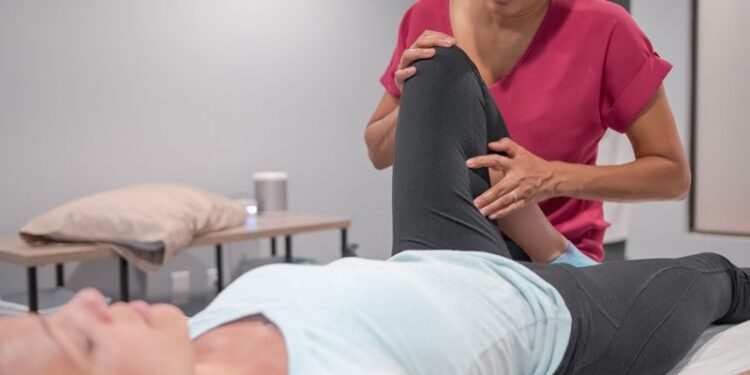
If you are ticking multiple boxes on the checklist, or your symptoms are persistent, worsening, or changing how you move, it is worth getting assessed. Many of these signs overlap, and pelvic floor dysfunction is not always weakness — It can involve tightness, poor coordination, or a mix of issues. A pelvic floor physical therapist can identify what is driving your pattern, reduce compensations, and guide a safe plan based on your body and goals.
At Rebalance Physical Therapy, we are the experts in pelvic floor health in Philadelphia. Over the years, countless patients regain control in life through our treatment, and we are very confident in helping you rebalance through life. Book your free 15-minute consultation and start improving today!
FAQs
Can pelvic floor issues cause low back pain?
Yes. The pelvic floor works with the abdominals and low back muscles to support pelvic and spinal stability. If the system is tight, weak, or uncoordinated, it can contribute to postural strain and persistent low back discomfort.
Why does it feel like a UTI?
Pelvic floor tension or imbalance can irritate the bladder and urethral region and create urgency, burning like sensations, or frequent need to pee feelings even when testing does not show an infection.
Can men have pelvic floor dysfunction?
Absolutely. Men can experience pelvic floor related symptoms like urinary issues, erectile or ejaculation difficulties, genital pain, or rectal pressure, often linked to muscle tension, spasm, or coordination problems.