Rebalance PT in the spotlight
Rebalance PT was recently featured on TV, with our founder, Hina Sheth, joining the presenters on Fox 29 to talk about how “fascia” is trending as the TikTok wellness buzzword of 2026.
Hina didn’t just join the Fox presenters to introduce the concept of fascia – she was ready and waiting in her PT workwear to show everyone some everyday exercises to do at home. Read on to find out more!
What is fascia?
Fascia (or more accurately, myofascia) is indeed the wellness buzzword circulating on TikTok – and, after years of being virtually unheard of (other than within PT and professional sports circles), it’s finally getting the recognition it deserves.
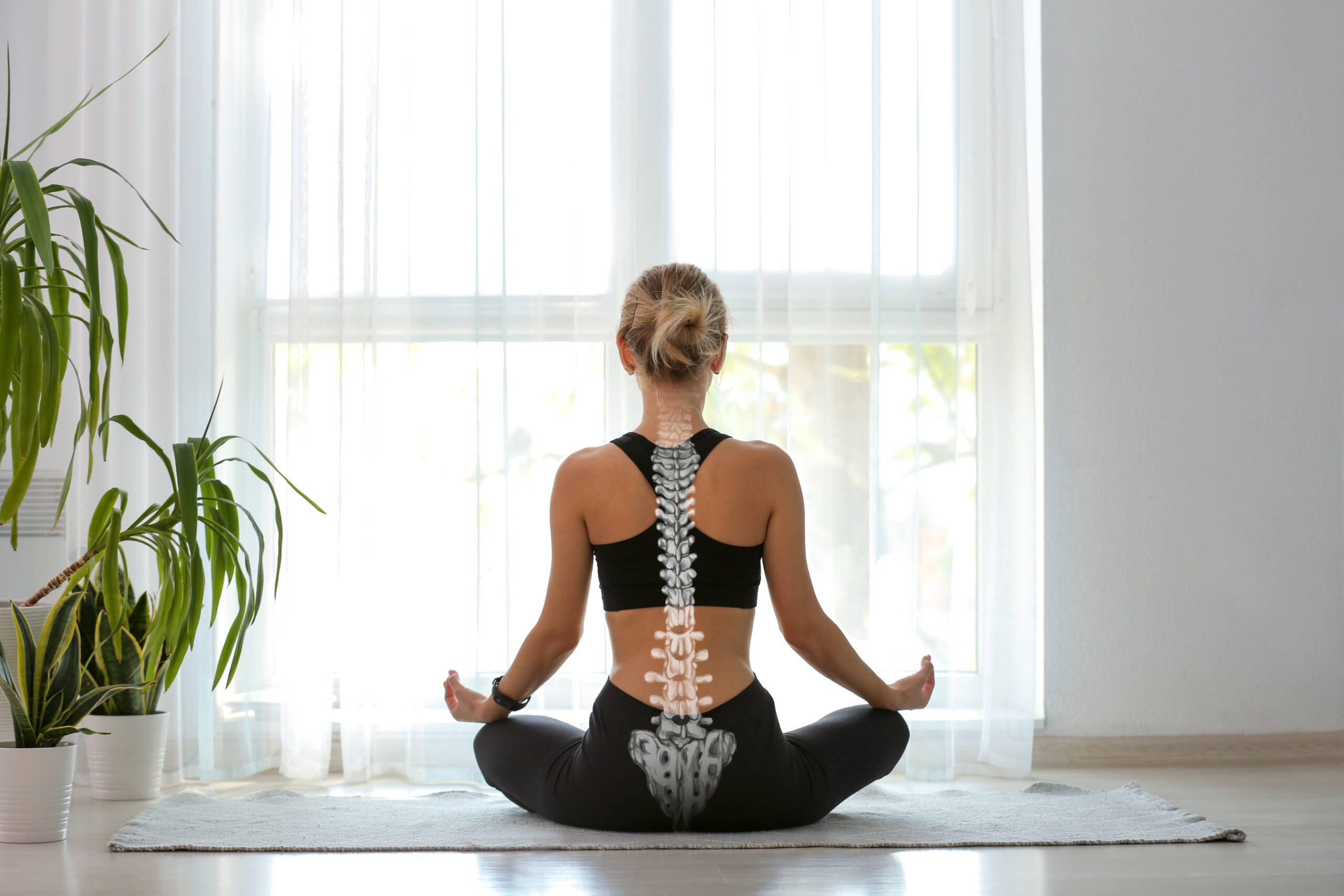
But what is fascia? Basically, it’s a stretchy, web-like collagen structure that begins under the skin and extends through the muscle fibers, bones, and organs.
As Hina explained to the Fox TV news presenters, if you could unzip your body, you would see fascia connecting every part of your body, including blood vessels, nerves, organs, bones, and muscle fibres, like a stretchy glue.
How fascia works
As a fully connective tissue network, fascia surrounds every fiber in the muscle to keep everything separated and in place, whilst providing the flexibility needed for the muscle to move, contract, and lengthen in response to stimulus.
Muscles are made up of straw-like muscle fibers that are layered on top of each other. The fascia surrounds each fiber to keep them separated. It is firm enough to keep the fibers in place, but also flexible enough to allow the muscle to contract and lengthen.
Why fascia problems creep in
As a leading physical therapist in Philadelphia, Hina explained that the fascia can get tight in all of us, even people who are very fit and strong. As a result, their muscles don’t perform as efficiently as they could, compromising performance and even increasing the risk of injury.
As Hina says, an early sign that the fascia is being compromised in some way is a feeling of being generally “unbalanced” as well as stiff.
At Rebalance PT, we also see more serious fascia issues, which result in chronic or acute pain, often driven by other underlying conditions.
What causes fascia issues
There are many causes of fascia issues or dysfunction. Our skilled PTs see daily issues driven by:
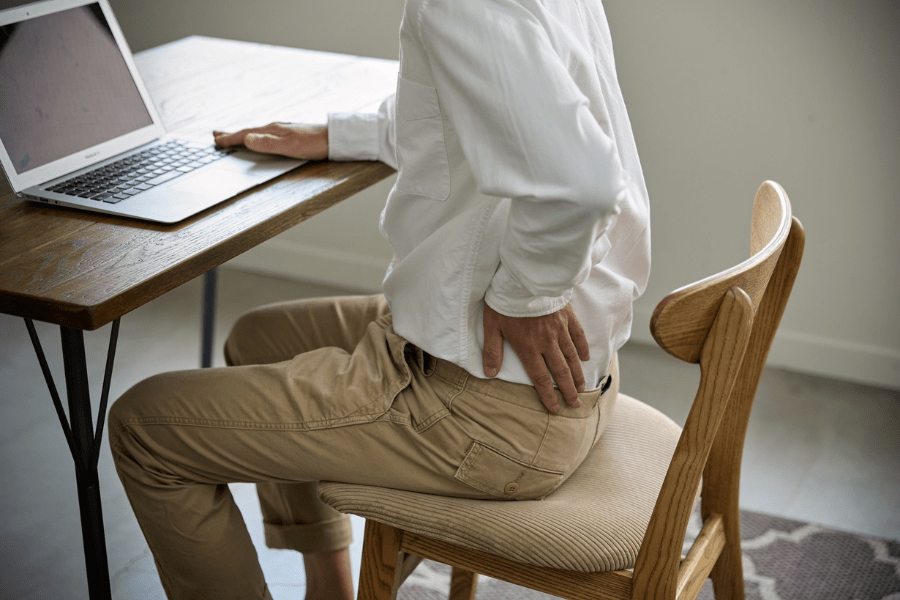
- Poor posture
- A tendency to sit down too much and for too long (a huge problem in our desk-working society)
- Surgery or injuries that lead to scar tissue and fascia restriction
- Systemic inflammation and chronic inflammation within organs, including conditions such as endometriosis, colitis, and interstitial cystitis.
- Chronic orthopedic inflammation, such as herniated discs or chronic nerve conditions.
- Linked conditions, such as pelvic floor dysfunction and orthopedic issues, as the body is a wholly connected system. (Note: Rebalance PT is a leading provider of pelvic floor therapy in Philadelphia.)
Lifestyle factors, stress, and trauma can also lead to issues that relate to the fascia. After all, our bodies are completely connected systems.
How can we support healthier fascia?
Stretching only goes so far. In Hina’s own words on her TV slot, “you have to get in there and knead things, to move things about!”
She showed viewers some easy, accessible ways to support the fascia at home. With two balls and a foam roller, you can try them yourself:
- Roll a small rubber ball up and down the inside of your arm with different levels of pressure to really get into the fascia, find areas of tightness, and encourage the fascia to release and move freely. Hina’s top tip? When you find tender spots, let the ball sink in and work that area.
- Lie on your back with your knees bent, and roll a larger rubber ball under your glutes to find tight, tense, or sore areas. Focus on these spots with repeated rolling motions, again, to get into the fascia and encourage its release. (Note, the sensation should only be a little uncomfortable, not painful.)
- Remaining on your back, place a foam roller on the middle of your back and roll up and down (which might result in some interesting popping sounds and a fantastic feeling of release!)
Hina recommended doing fascia work twice a week on each part of the body, alongside a stretching programme.
How Rebalance PT can help: Myofascial release
Weekly home-based fascia work should be part of everyone’s healthy lifestyle, but if you already have issues with pain, restricted movement, or discomfort, why not fast-track your healing with support from a professional physical therapist?
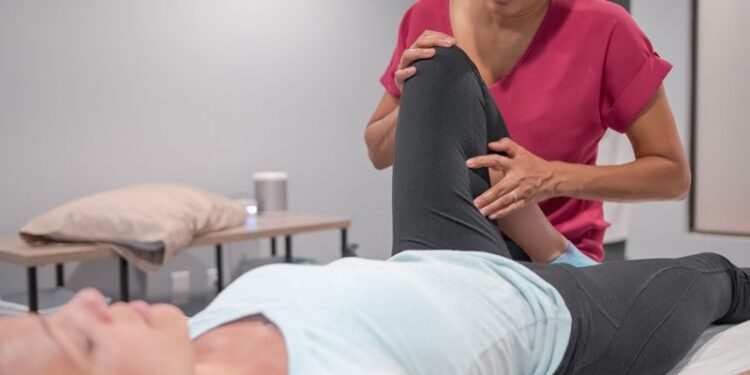
If you’re looking for a trusted physical therapist in Philadelphia, head to Rebalance PT. Our skilled PTs offer myofascial release (MFR) as part of our holistic PT services, all of which are delivered under our philosophy of 100% manual therapy.
Myofascial release is a hands-on technique that works on the body’s connective tissue, called the fascia. It involves applying gentle but sustained pressure to the myofascial connective tissues to eliminate pain and restore motion.
Contact us to find out more
To find out if myofascial release therapy is right for you, click here to schedule a complimentary phone consultation with one of our physical therapists near Philadelphia or the Main Line clinic.
From pelvic floor therapy in Philadelphia to surgery recovery, Rebalance PT is here to help. Contact us today and begin your journey back to healthy, happy, and full movement!