Pelvic floor health is vital to your overall well-being, and weakness in this area often affects bladder control, core muscle balance, and sometimes contributes to lower back pain. Large population studies report that nearly one-quarter of women have symptoms of at least one pelvic floor disorder, which is why these issues show up so often in real life. In this post, we will guide you through what not to do when your pelvic floor is weak and advise a simple starter routine to begin rebuilding strength and coordination.
What the pelvic floor does and why it matters
Your pelvic floor is a group of muscles and supportive tissues that functions like a “hammock” that supports organs, bladder, and bowel control. When your pelvic system weakens, the pressure overwhelms and can lead to leakage, heaviness, and in some urgent cases, pelvic organ prolapse, where organs can drop or press into the vaginal wall.
The pelvic group also works as part of your deep “core team,” coordinating with breathing and deeper abdominal muscles to help stabilise the pelvis and spine during daily movement. Pelvic floor dysfunction can lead to reduced activity (weakness) or poor coordination, and is often misjudged as caused by a weak core. However, emphasizing core training can only aggravate the condition, and it’s important to diagnose the real cause of pain before any treatment.
Signs of pelvic floor weakness
Now that you know the importance of pelvic health, let’s learn the signs of weakness. They can show up in different ways, and the Common signs include:
- Leaking urine when you cough, sneeze, laugh, run, or jump
- Urgency (a sudden “gotta go now” feeling) or trouble holding urine
- Low back pain, pelvic discomfort, or a “core not switching on” feeling during movement
- A sense of heaviness, pressure, or “something dropping” in the pelvis (more common in women)
- Reduced control of gas (less common, but can happen)
These symptoms can overlap with other types of pelvic floor dysfunction (including coordination issues or overactivity), so the best next step is getting assessed, especially if symptoms are persistent, worsening, or affecting training and daily life.
Rebalance PT is the Pelvic expert in Philadelphia. We believe the holistic approach is key to finding the root cause of pain for patients, and it’s with this dedication that patients enjoy a freer life after treatments. Book your free 15 minutes consulation and start improving today!
What NOT to do and why
If your pelvic floor is weak, the goal is to avoid activities that spike pressure before you have the ability to manage it. Here are some common mistakes highlighted by Dr. Hina Sheth:
- High impact too soon (running/jumping): Impact can increase downward pressure through the abdomen and pelvis, which may overload a weak pelvic floor and worsen leaking.
- High-pressure ab work (long planks, hanging leg raises, hard crunches): These often encourage bracing and compensation, increasing pressure and reducing pelvic floor control.
- Straining on the toilet: Pushing hard during bowel movements places repeated stress on pelvic support and can contribute to worsening symptoms.
- Breath-holding: Holding your breath (especially during effort) tends to raise internal pressure and can drive strain into the pelvic floor.
- Heavy lifting without coordination: Without a well-timed pelvic floor and deep-core contraction, lifting can lead to compensations and low back strain.
| Exercise name | How to do it (concise but clear) | Why (very short) |
|---|---|---|
| TA “S” exhale | Lie on back. Inhale. Slow exhale making “S” sound. Feel low belly tighten (not hard brace). Hold 5s. x10 | Pressure control |
| Kegel elevators | Lie on back, knees bent. Inhale. Exhale and gently lift pelvic floor gradually 1→5 over 5s. Brief hold. Slowly release 5→1. x10 | Control + strength |
| Quick contractions | Lie on back, knees bent. Exhale and lift pelvic floor to ~80% (like stopping urine). Hold 2s. Fully relax. x10 | Stop leak reflex |
| Clamshell (light) | Side lie, knees bent, feet together. Exhale, light TA + pelvic floor (~30%). Keep feet touching, lift top knee. Hold 3s. Lower. x10/side | Stability |
| Side leg raise (light) | Side lie. Bottom knee bent, top leg straight. Exhale, light TA + pelvic floor (~30%). Lift top leg. Hold 3s. Lower slow. x10/side | Stability |
| Bridge (light) | Lie on back, knees bent. Exhale, light TA + pelvic floor (~30%). Lift hips. Hold 3s. Lower slow. x10 | Support |
Improvements start here — breathing + deep core connection
Before you add more reps or “harder” exercises, start by learning how to control pressure with your breath. Lie on your back, inhale normally, then exhale slowly while making a gentle “S” sound. As you exhale, you should feel a deep, low tension in your lower abdomen (your transverse abdominis, or TA) rather than a hard brace. A controlled, slow “S” exhale helps you:
- Reduce downward pressure while you move
- Turn on the transverse abdominis (deep core) in a gentle, coordinated way (not a hard brace)
- Make it easier for the pelvic floor to contract and relax with timing, instead of compensating with glutes/inner thighs
- Build the foundation for returning to things like planks, running, and lifting without leaking or feeling pressure
Avoid sucking your stomach in or clenching like you’re preparing to be punched. Once you can find this controlled exhale, it becomes much easier to pair it with a pelvic floor contraction and progress safely.
Beginner routine (6 exercises)
Breathing exercises are part of the solution. Here are some light exercises you can practice at home safely to strengthen your pelvic floor muscles. Pick 1-3 exercises and practice them daily, with consistency, you should be able to feel a gradual improvement over the course of several weeks.
Deep core activation (TA “S” exhale)
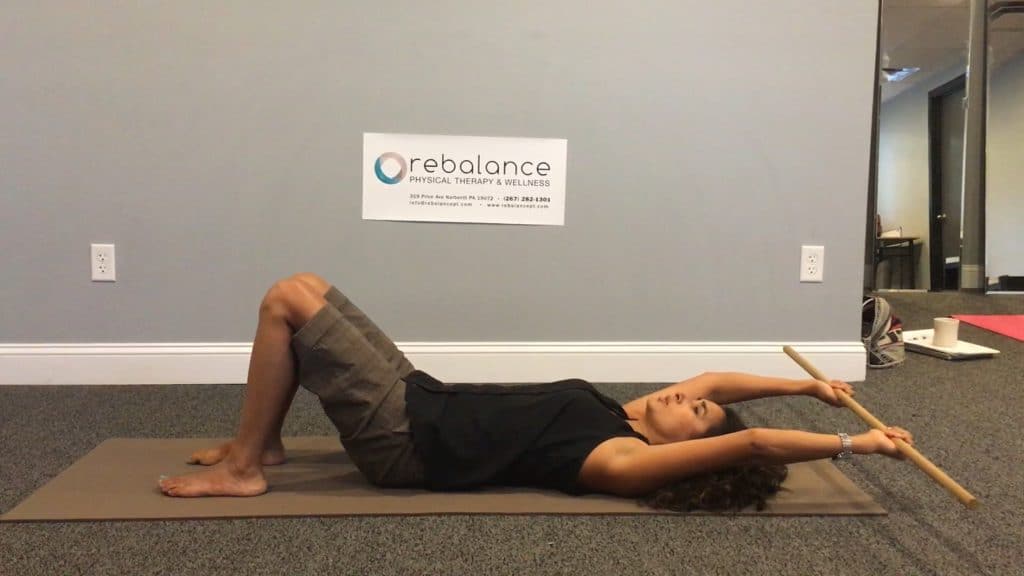
Lie on your back with legs straight. Inhale, then exhale slowly making an “S” sound. Feel a deep tensioning in the lower abdomen (TA). Hold that connection for 5 seconds and repeat 10 times, keeping the effort smooth rather than forceful.
Kegel elevators
Lie on your back with knees bent. Inhale, then as you slowly exhale, build a graduated pelvic floor contraction over 5 seconds—like an elevator going from floor 1 to floor 5 (max effort). Hold briefly, then release gradually back down from 5-4-3-2-1. Do 10 reps.
Quick contractions
Lie on your back with knees bent. Inhale, then exhale and create a pelvic floor contraction to about 80% effort, like holding back urine. Hold for 2 seconds, then fully relax. Perform 10 repetitions, focusing on clean on/off control.
Clamshell with light connection
Lie on your side with knees bent, feet in line with your back. Inhale, then exhale and connect lightly to TA + pelvic floor (about 30%). Keeping feet together, lift the top knee toward the ceiling, hold 3 seconds, then lower slowly. Do 10 reps per side.
Side-lying leg raise with light connection
Lie on your side with the bottom knee bent and top leg straight. Inhale, then exhale and connect lightly to TA + pelvic floor (about 30%). Lift the top leg up, hold 3 seconds, then lower with control. Perform 10 reps per side.
Bridge with a light connection
Lie on your back with knees bent. Inhale, then exhale and connect lightly to TA + pelvic floor (about 30%). Keeping that connection, lift your hips up, hold 3 seconds, then lower slowly. Perform 10 repetitions.
When to see a pelvic floor physical therapist
If your symptoms are ongoing, worsening, or changing how you move, it’s time to get assessed by a professional pelvic floor physical therapist. Persistent leaking, pelvic heaviness/pressure, pelvic pain, low back pain tied to “core control,” or difficulty emptying your bladder/bowels can reflect more than simple weakness (like coordination issues, overactivity, or pressure-management problems). The PT will help you confirm what’s happening, avoid compensations that keep symptoms stuck, and progress exercise safely.
At Rebalance Physical Therapy, we are experts in pelvic floor therapy in Philadelphia. Our team strives to provide a safe and stress-free environment for our patients and has helped many regain freedom from pain. Book your free consultation with us, and let’s make improvements today.