“So many people live with pelvic pain or bladder symptoms for years simply because no one ever looked at the pelvic floor.” — Dr Hina Sheth, Rebalance Physical Therapy
Across Philadelphia, people experience leaking, pelvic pressure, hip tightness, low back pain or urgency without ever being told these symptoms might come from their pelvic floor. They see multiple providers, try medications, or avoid certain activities, and yet the root cause often remains unaddressed.
Pelvic floor exercises can be transformative when done correctly, but the right approach depends on whether your muscles are weak, tight or simply out of sync with your core. Using expert guidance from Dr Hina Sheth, this guide explains how the pelvic floor works and the foundational exercises you can safely start at home.
What the Pelvic Floor Actually Does
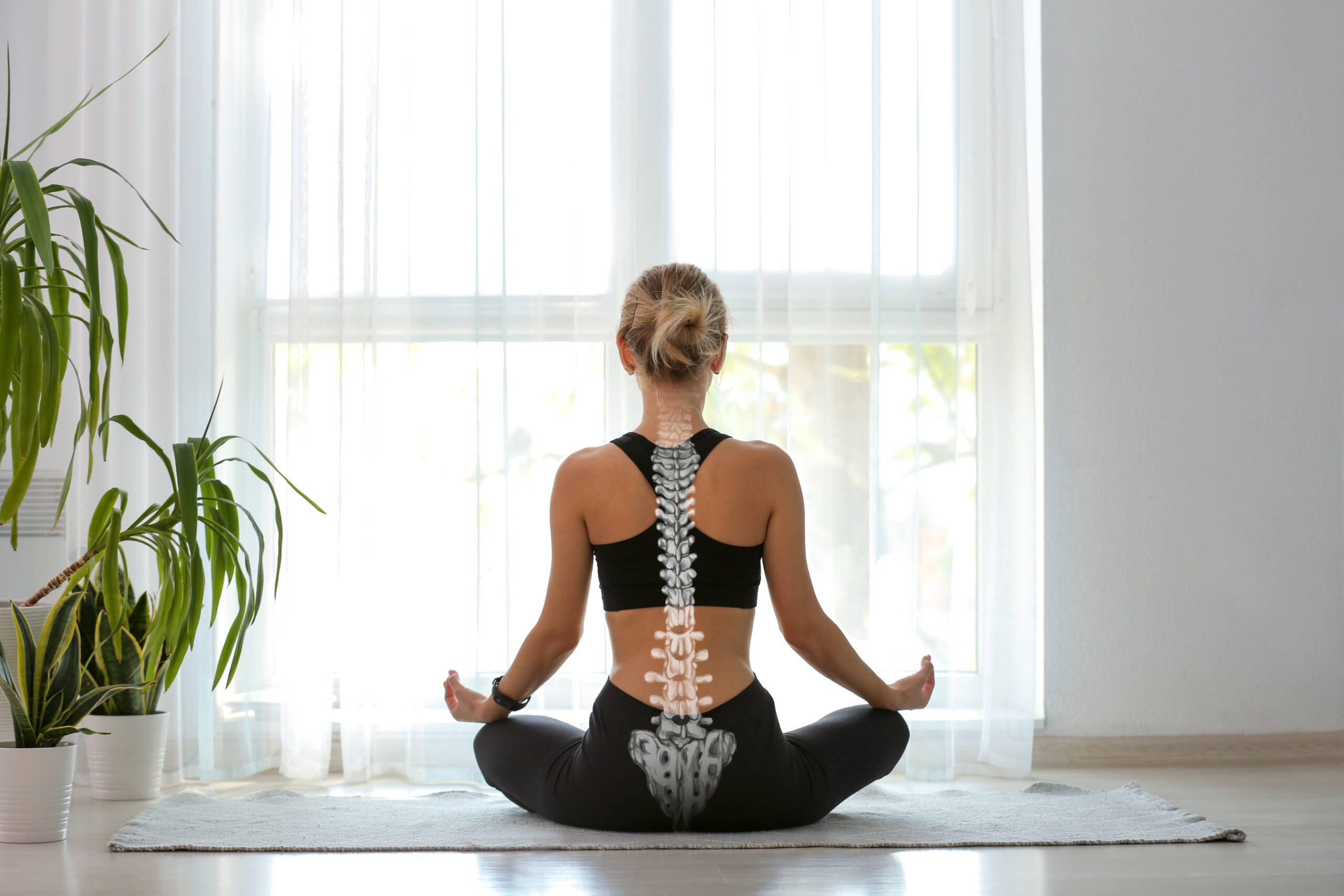
The pelvic floor is a group of muscles and connective tissues that form a sling or “hammock” across the base of the pelvis. It helps hold the bladder, bowel and reproductive organs in place so they can work properly and plays a key role in controlling urine and stool.
These muscles are also part of your core. Reviews from the NIH explain that the pelvic floor works together with your deep tummy muscles, back muscles and diaphragm (your main breathing muscle) to support your spine, help you stay dry, and control pressure inside your abdomen (NIH pelvic floor anatomy and physiology). When this system isn’t working well, it can show up as low back or hip pain, a heavy feeling in the pelvis, bladder leaks or strong urgency — even if no one has ever mentioned your pelvic floor as a possible cause.
How Exercises Can Help and Which Type Is for You
Pelvic floor exercises can improve bladder control, reduce pelvic heaviness, ease some types of pain and support your lower back and hips. In her Philadelphia clinic, Dr Hina Sheth often meets people who have spent years managing low back pain, SI joint pain, vaginal or testicular pain, or bladder urgency, only to discover later that “this is a muscle thing” in the pelvic floor that was never addressed.
Not everyone needs the same kind of exercise, though. Depending on your symptoms, you might benefit more from relaxation, strengthening or coordination work:
- Relaxation exercises: These are most helpful when the pelvic floor is tight or overactive rather than weak. Signs can include pain with sex, difficulty inserting tampons, a gripping feeling in the pelvis or bladder symptoms that feel like a UTI even though tests are negative.
- Strengthening exercises: These are useful when the muscles don’t provide enough support. You may notice leaks when you cough, laugh or run, a heavy or “falling out” sensation, or ongoing weakness after childbirth that hasn’t changed with regular core work.
- Coordination exercises: Focus on synchronising the pelvic floor with your breathing and movement at the right time. They’re important if you can squeeze but struggle to relax, tend to clench when stressed, or find that symptoms worsen during certain activities rather than all the time.
If you see yourself in more than one of these groups or you’re not sure which category you fit, an assessment with a pelvic floor specialist can help you choose the safest starting point: pelvic floor therapy in Philadelphia.
At-a-Glance Guide: Which Pelvic Floor Exercises Match Your Symptoms?
| Exercise type | What they help with | Example exercises |
|---|---|---|
| Relaxation exercises | Tight or overactive pelvic floor; pain with sex; difficulty inserting tampons; pelvic “gripping” or burning; bladder symptoms that feel like a UTI but test negative | Diaphragmatic breathing / Child’s pose / Supported deep squat |
| Strengthening exercises | Weak or underactive pelvic floor; leaks when you cough, laugh, run or lift; mild “falling out” or heaviness; postpartum weakness that hasn’t improved with core work | Basic pelvic floor contraction (Kegel) / Quick squeezes / The “knack” before coughing, sneezing, laughing or lifting |
| Coordination exercises | Pelvic floor firing too late/too early; symptoms mainly during movement or certain positions; tendency to clench with stress; trouble relaxing after a squeeze | Breath-linked engagement / Leg movement with timing (dead-bug style) / Bridge with pelvic awareness |
Pelvic Floor Relaxation Exercises
Relaxation exercises are for pelvic floors that are “on guard” most of the time. In her interviews, Hina Sheth often explains that many people with pelvic or bladder pain actually need help letting go, not squeezing harder. She also sees tight pelvic floor muscles in those with low back, sacroiliac and hip pain.
- Diaphragmatic breathing: Lie on your back or sit supported, one hand on your belly. Breathe in through your nose so your belly and ribs gently expand, and imagine your pelvic floor softening; breathe out through your mouth and return to neutral without clenching, for 2–3 minutes.
- Child’s pose: From kneeling, sit back toward your heels and fold your torso forward over your thighs or a pillow. Let your belly relax, breathe slowly into your lower ribs, and picture the pelvic floor widening and dropping a little with each exhale for 1–2 minutes.
- Supported deep squat: Hold a sturdy surface and lower into a comfortable squat, with a towel under your heels if needed. Keep breathing steadily and focus on not gripping in your pelvis, staying relaxed for 20–30 seconds before standing back up.
Pelvic Floor Strengthening Exercises
Strengthening is for pelvic floors that don’t give enough support, leading to leaks, heaviness or weakness. Dr Hina also sees this in people with chronic low back or SI joint pain and postpartum changes who have never been shown how to contract the pelvic floor properly.
- Basic pelvic floor contraction (Kegel): Sit or lie down and gently tighten the muscles you would use to stop urine or hold in gas, without squeezing your thighs or buttocks. Hold for about 3–5 seconds while breathing normally, then fully relax for the same time; aim for 8–10 good-quality reps once or twice a day.
- Quick squeezes: These train your pelvic floor to react quickly to sudden pressure. Do a series of fast, one-second squeezes followed by a full release each time, starting with 10–15 reps and stopping if you feel fatigue or cramping.
- The “knack” before pressure: Just before you cough, sneeze, laugh or lift, gently contract your pelvic floor and keep the contraction through the effort. Relax completely afterwards; practising this with everyday tasks trains your pelvic floor to protect you at the right moment.
Pelvic Floor Coordination Training
Coordination training is about timing. The goal is to get your pelvic floor to work with your breathing and movement. Hina often notes that some patients are not weak or overly tight; their symptoms come from the pelvic floor firing too late, too early or never fully relaxing.
- Breath-linked engagement: In a relaxed sitting or lying position, inhale and let your ribs, belly and pelvic floor gently expand. As you exhale, lightly lift and engage your pelvic floor (about 20–30% effort), then fully release again on the next inhale for 8–10 breaths.
- Leg movement with timing (dead-bug style): Lying on your back with knees bent, exhale and gently engage your pelvic floor and deep core, then lift one knee toward the tabletop. Lower the leg as you inhale and release, alternating legs for 6–8 reps while keeping the movement slow and smooth.
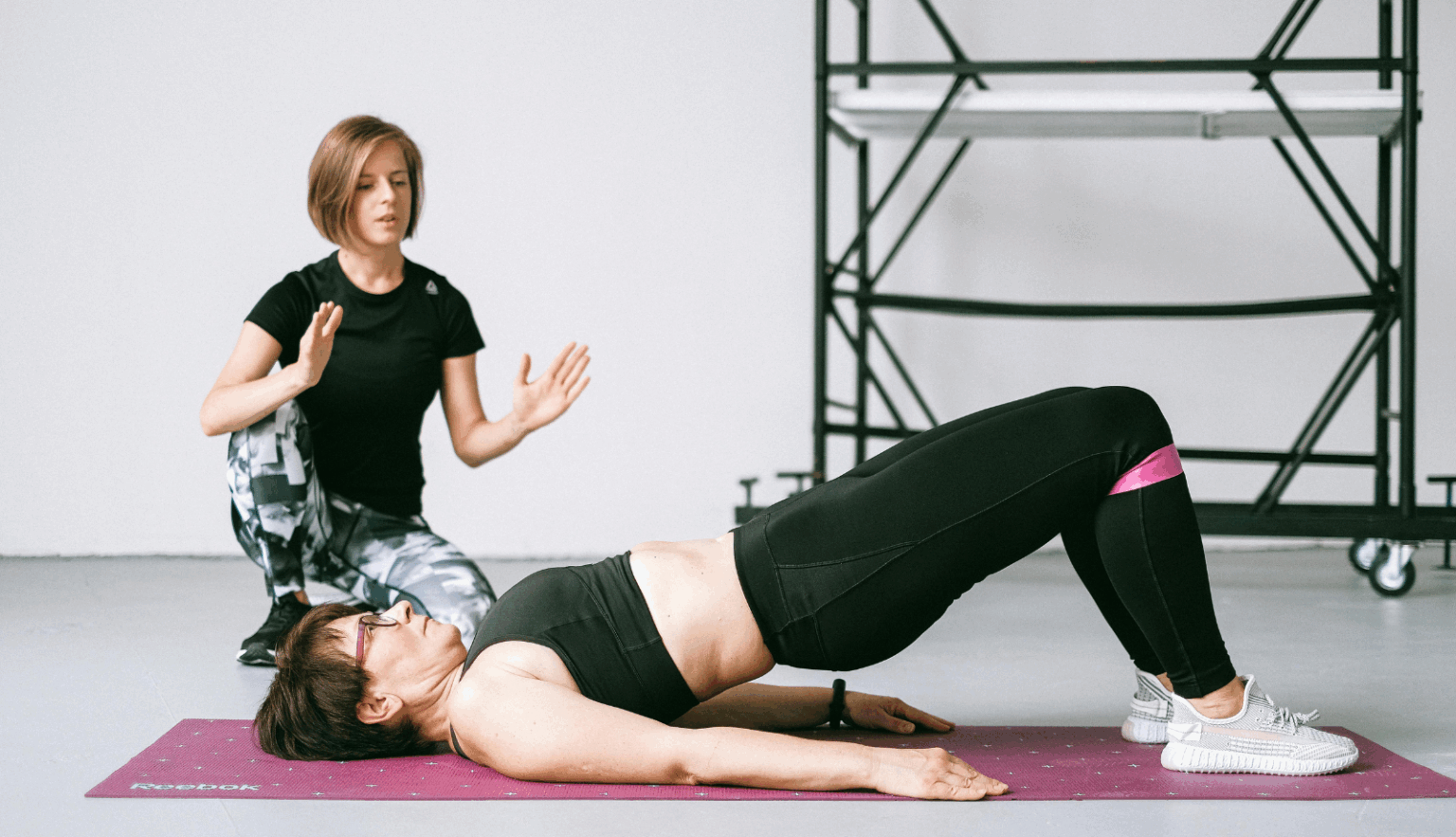
- Bridge with pelvic awareness: On your back with knees bent, exhale, gently engage your pelvic floor and core, then raise your hips a few inches into a small bridge. Hold for 3–5 seconds with easy breathing, lower down and fully relax before the next rep, for 8–10 repetitions.
How Often Should You Do Pelvic Floor Exercises?
Pelvic floor training works best when it’s regular and gentle, not when you cram everything into one long session. Clinical guidance on pelvic floor muscle training suggests that most people need several weeks of consistent practice before they notice clear changes in leakage or control.
As a simple starting point, you can think in terms of:
- Frequency: Aim to practise pelvic floor exercises on most days of the week until good strength returns and then you can reduce it to every other day or 3-4x per week
- Sets: For strengthening and coordination, 1–2 short sets of good-quality contractions a day is usually enough — you shouldn’t feel exhausted or sore.
- Relaxation: If your pelvic floor tends to grip, a few minutes of breathing-based relaxation once or twice daily can help calm things down.
- Time frame: Expect to give any routine at least 4–6 weeks before judging the results; muscles and coordination need time to adapt.
If you’re unsure whether you’re doing the right type or amount of exercise, or your symptoms are getting worse instead of better, that’s a good sign to pause and check in with a pelvic floor specialist rather than pushing harder.
When Pelvic Floor Exercises Are Not Enough
Sometimes, even when you’re doing all the “right” pelvic floor exercises, they’re still not enough on their own. This can happen if the real problem also involves your joints, nerves, scar tissue, breathing patterns or how your spine and hips move — things that are hard to see without a proper assessment.
It’s a good idea to stop guessing and talk to a specialist if you have ongoing pain, new or worsening bladder or bowel symptoms, or no real improvement after 4–8 weeks of consistent practice. At that point, exercises are still valuable, but they work best as part of a personalised plan built around your specific body rather than a one-size-fits-all routine.
Get Professional Pelvic Floor Help in Philadelphia with Rebalance
If you’re dealing with pelvic pain, leakage, urgency or discomfort that just isn’t shifting, you don’t have to figure it out alone. Rebalance Physical Therapy is a specialist pelvic health clinic in Philadelphia, with a team experienced in treating complex pelvic floor, hip, back and bladder issues every day.
If you’re ready to understand what’s really going on and start feeling better, you can book an appointment and get personalised pelvic floor care here: Physical Therapist in Philadelphia