“Most people plan the delivery. Fewer people plan the recovery—and that’s where long-term symptoms often begin for many new parents.” — Dr Hina Sheth
Congratulations on your next chapter in life! Now, being pregnant comes with a big decision: vaginal birth or C-section. In this guide, we provided a clear and practical breakdown of the real pros and cons of each, as well as the recovery process. There’s no “right” choice for everyone: it’s about the option that fits your body, your baby, and your preferences. Regardless of your choice, planning your recovery can make a significant difference. Let’s go through the details.
Quick answer
A planned C-section can be more predictable and often avoids the pelvic-floor stretching of pushing, but it is still major abdominal surgery with scar healing, longer early recovery, and more considerations for future pregnancies. A vaginal birth often means a shorter hospital stay and faster mobility for many people, but it can come with tearing, pelvic-floor strain, and a higher long-term risk of symptoms like leaking or prolapse.
What matters most is this: both births still require rehab. Pregnancy itself loads your core and pelvic floor for months, and recovery is where you protect long-term comfort and function.
If you choose a C-section, plan for scar and abdominal-wall recovery.
If you choose vaginal: plan for pelvic floor recovery, especially if there was tearing or assistance.
Chart: C-Section vs Vaginal Birth at a Glance
| Topic | Planned C-Section | Vaginal Birth |
|---|---|---|
| Delivery experience | Scheduled, controlled timing | Labor + pushing (often unpredictable timing) |
| Recovery | Slower early mobility; incision healing | Often faster mobility, but varies with tearing |
| Pelvic floor impact | Less delivery strain; pregnancy still loads it | More delivery strain; higher chance of pelvic-floor symptoms |
| Common short-term issues | Incision pain, scar tightness, gas pain, constipation | Perineal soreness, tearing stitches, pressure or heaviness |
| Longer-term considerations | Scar tissue or adhesions; repeat C-sections; VBAC depends | Higher risk of leaking or prolapse over time, especially with multiple births |
| Baby considerations | Not exposed to vaginal flora during birth (associations are complex) | Exposure to vaginal flora during birth |
C-Section: Pros, Cons, and Who It Can Be Right For
A planned C-section can look very appealing on paper, especially when you are trying to reduce uncertainty and feel more in control. But it is a major abdominal surgery, and the tradeoff is usually less about the day of birth and more about the weeks after.
Pros of a planned C-section
A planned C-section can offer real advantages, especially when timing, medical factors, or personal comfort are important.
- Convenience and predictability: You can plan childcare, work leave, family travel, and hospital logistics more easily because the birth date is scheduled.
- The delivery moment can feel more controlled: With anesthesia, many people experience the birth itself as relatively calm and painless compared with hours of labor and pushing.
- Less delivery-related strain on the pelvic floor: Because the baby is not pushed through the vaginal canal, there is typically less stretching and trauma to pelvic floor muscles, nerves, and connective tissue during delivery.
One important nuance: even with a C-section, your pelvic floor has still supported pregnancy for nine months. That is why some people still experience leaking, pressure, or pelvic heaviness later, and why recovery planning matters either way. Consulting a professional physical therapist is the best way to improve the symptoms before and after the delivery.
Cons and risks to consider
The cons are mostly about surgery, scar healing, and what the scar can influence in the pelvis. A C-section can feel smooth in the moment because of anesthesia, but recovery is still real healing involving your abdominal wall, nearby organs, and your nervous system.
- It is a major abdominal surgery: A C-section involves cutting through skin and abdominal layers near organs that sit behind the incision area, including the bladder and uterus.
- Scar tissue and adhesions can affect comfort and function: If scar tissue becomes restricted or sensitive, it can contribute to symptoms like bladder urgency or frequency, constipation, or intense gas pain, especially if the area does not regain normal mobility over time.
- Early recovery can be harder: Once anesthesia wears off, movement can feel painful and limited. Hospital stays are often longer, and simple tasks like getting out of bed, standing upright, or lifting can feel challenging at first.
- Future pregnancy planning matters: If you hope for more children, it is worth discussing how repeat C-sections may affect you. VBAC is possible for some people, but it is very case-by-case and needs careful planning with your provider.
Vaginal Birth: Pros, Cons, and What Changes the Risk
Vaginal birth is the most common way people deliver, and for many, it comes with a smoother early recovery. But it can also place more demand on the pelvic floor and the tissues around the vaginal area, especially with a first delivery or if birth becomes assisted.
Pros of vaginal delivery
For many people, vaginal delivery can feel like a more straightforward recovery pathway, especially when labor progresses without major complications.
- Often shorter hospital time and quicker return to basic movement: Compared with abdominal surgery, many people find they can walk, change positions, and handle daily tasks sooner, even if they feel sore.
- Many people value experiencing labor and birth: Some want the experience of contractions, pushing, and meeting their baby through that process, with or without an epidural.
- Baby considerations, briefly and balanced: Babies born vaginally are exposed to vaginal bacteria during birth, which may support early microbiome development. That said, many C-section babies thrive and do great, so this is not something to fear—just one factor to understand.
Cons and risks to consider
The main tradeoff is that vaginal birth can be more physically intense in the moment and can involve tissue strain.
- Pain, pressure, and unpredictability: Labor timing is hard to control. Even with spinal pain relief, many people still feel significant pressure and effort during pushing.
- Tearing can range from mild to severe: Many first deliveries involve some tearing. A smaller tear may heal relatively quickly, while more significant tears can take longer and feel more disruptive.
- Assisted birth can increase tissue strain: If vacuum or forceps are needed, or if an episiotomy is performed, the pelvic floor and perineal tissues may experience more trauma and require more focused rehab.
- Pelvic floor outcomes over time: Vaginal delivery can increase the chance of symptoms like leaking, heaviness, or prolapse, especially when certain risk factors stack up.
- Rare but real issues: Some people experience pubic symphysis pain, tailbone pain, or pudendal nerve irritation after birth. These are not common, but they are important to recognize because they are treatable.
What increases risk, and what helps
Risk tends to increase with assisted delivery, a larger baby, prolonged pushing, and multiple vaginal births. What helps is planning recovery early, so small symptoms do not quietly turn into long-term issues. Start rehab early with breathing, gentle mobility, and the right progression, and get guidance if symptoms linger, worsen, or feel confusing, because most postpartum issues improve faster with the right plan.
Recovery After Birth: A 12-Week Roadmap for C-Section and Vaginal Delivery
No matter how you deliver, your body has done something enormous. The goal in the first 12 weeks is not to “bounce back.” It is to heal well, rebuild confidence in movement, and reduce the chance that early symptoms turn into long-term problems. Think of this as a progressive return to function, not a test of willpower.
The first 0-2 weeks: protect and restore basics
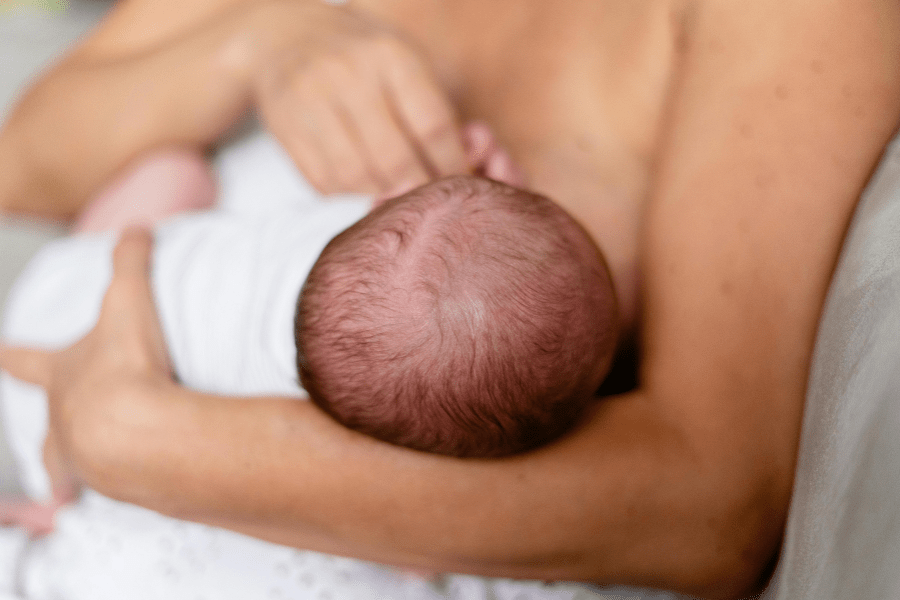
In the first two weeks, your priorities are pain control, gentle movement, and getting your bowel and bladder routines back on track. Diaphragmatic breathing is a simple tool that helps your core and pelvic floor coordinate again after pregnancy and birth. Pair that with short, frequent walks and supportive positioning for feeding and resting so you are not constantly straining your abdomen, back, or pelvic floor.
This is also the time to be proactive about bowel comfort. Hydration, fiber, and reducing straining can make a meaningful difference, especially if you have stitches, perineal tenderness, or a new incision. If anything feels off, trust it and reach out.
Call your provider urgently if you have:
- Heavy bleeding or large clots
- Fever or chills
- Worsening redness, swelling, or discharge from an incision
- Severe headache, chest pain, or shortness of breath
- Calf swelling or pain
- Pain that is increasing instead of settling
Weeks 2-6: rebuild tolerance and address tissues
Many people feel noticeably better during weeks two through six, but this is still a healing phase. Your goal is to gradually build tolerance for daily movement while supporting the tissues that took the most load during delivery. If you had a C-section, focus on increasing comfortable movement in your trunk and hips and helping the incision area regain normal comfort as it heals. If you had a vaginal birth, remember that even smaller tears can create guarding, tightness, or soreness, and it is normal to need a gentle progression back into coordination and strength.
A useful rule of thumb is that symptoms should trend down week to week. If you feel stuck, or if bladder urgency, constipation, heaviness, or pain is not improving, it is a sign you need a more specific plan. Rebalance PT is the expert in postpartum recovery. We have helped countless patients in Philadelphia regain strength after treatment. Learn about us here.
Weeks 6-12: return to strength and activity
After you are medically cleared, shift toward building strength and confidence with a progressive plan. Start with foundational strength for hips, glutes, and deep core, then layer in higher-demand tasks. If you want to return to running, jumping, or HIIT, treat impact like something you earn back. When impact is introduced too early, symptoms like leaking, heaviness, or pain often show up as the body’s way of asking for more preparation.
When to see a pelvic floor PT
If you notice any of the following, pelvic floor therapy can help you recover more fully and confidently:
- Leaking or trouble controlling gas or bowel movements
- Heaviness, pressure, or a bulging sensation
- Pain with sex or pelvic pain that persists
- Constipation, urgency, or frequency that does not improve
- Scar pulling, numbness, or sensitivity around a C-section incision
- Persistent back, hip, tailbone, or pubic pain
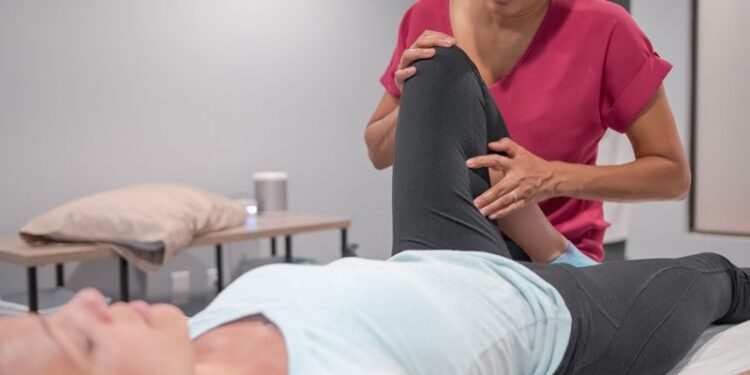
If you are in Philadelphia and want professional support, Rebalance PT is the trusted clinic to help with postpartum recovery. We practice a comprehensive approach is key to find root cause of pain. Explore our pelvic floor therapy and postpartum recovery.
Final Takeaway: Choose Your Birth, Plan Your Recovery
C-section and vaginal birth both have real pros and real tradeoffs, and the best choice is the one that fits your medical situation, preferences, and future plans. What most people underestimate is that long-term comfort depends less on the delivery day and more on how you recover afterward. Plan your rehab early, get help when symptoms persist, and give your body the support it deserves.